Nato’s supreme commander has acknowledged that Russia’s hybrid war against Europe is unsettling the continent’s societies but warned Moscow that the military alliance is always ready to strike back at any attack.
“I do not assess that conflict is imminent or inevitable. It isn’t,” said Alexus Grynkewich, who as supreme allied commander Europe is the alliance’s most senior military official.
“[But] with the amounts of activity that’s going on in terms of sabotage and arson, I think our population around the alliance are a bit nervous,” he said.
“And what I want to do is assure the 1bn citizens of our alliance that: we’ve got this. We know what we need to do, we know how we can do it,” Grynkewich told the Warsaw Security Forum.
“Equally, I want others who might be thinking about doing harm against us to know that: we’ve got this. And that they better not take any shots at the alliance, because, again, we know exactly what we’re going to do in terms of defence.”
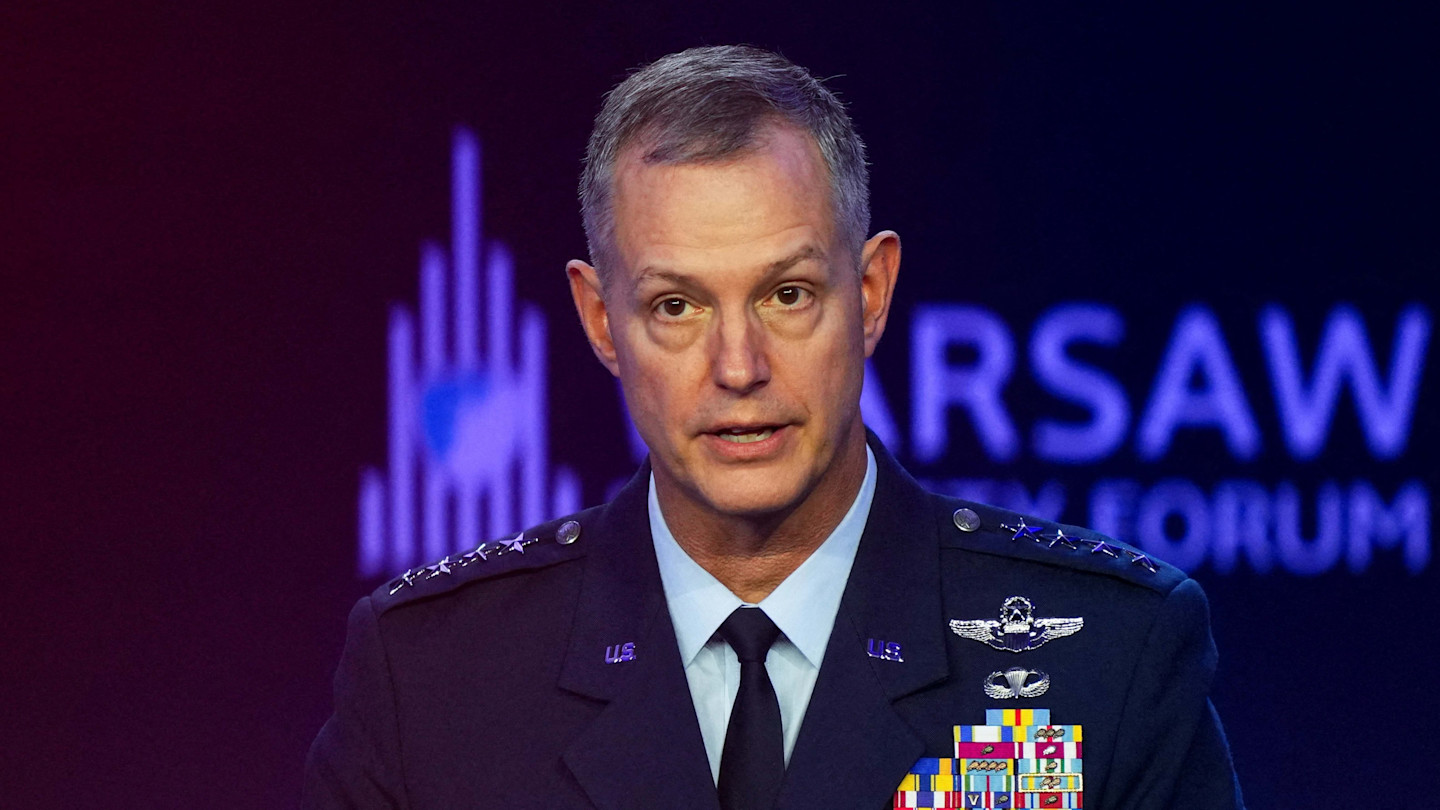
Alexus Grynkewich speaks at the Warsaw Security Forum
A series of attacks attributed to Russia in recent months, ranging from a foiled explosive drone attack on a German airport, the destruction of a Polish rail line and various arson and cyber attacks, have startled European capitals and led many to worry that the continent’s deterrence is failing to curb Moscow’s sense of impunity.
Poland’s foreign minister Radek Sikorski has warned that Nato members should prepare a robust response for a possible deadly Russian “hybrid” attack, as Moscow’s destabilisation campaign escalates.
Officials from five of the continent’s intelligence agencies have warned that senior executives at European defence companies are being targeted for assassination by Russian operatives, while German intelligence services have recently warned that Moscow’s “shadow war” is entering a potentially deadly phase.
Grynkewich urged national governments in response to ensure they publicly call out Russia once the attacks are attributed, because “they think they can get away with this”, and to increase support to Ukraine. He said reducing support for Kyiv’s defence was Russian President Vladimir Putin’s key aim alongside testing Nato’s resolve and unity.
Separately, Grynkewich explained Nato’s new “theory of victory”, which he said was designed to “block, blunt and break” any enemy actions.
“If someone is foolish enough to attack us, we will fight,” he said. “We will stop the attack and deny them the ability to achieve their objectives, whatever those might be. We will, in short, ensure any attack, against any ally, proves utterly futile.”