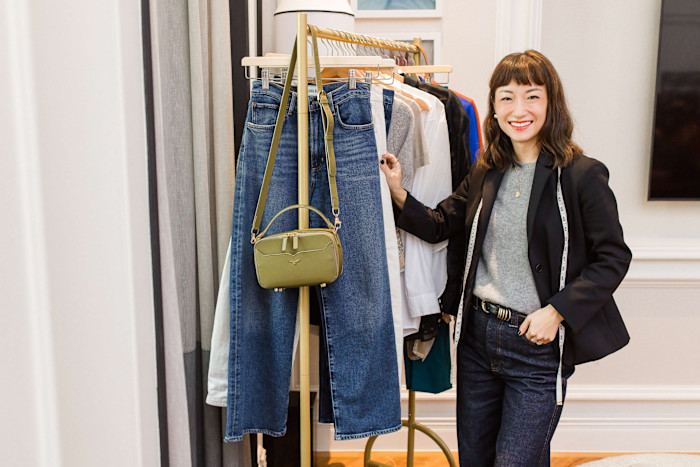
As a personal shopper, Amber Gordon fields daily requests from clients who live in the UAE, Singapore, the US and beyond for brands such as Chanel, Hermès and Dior. One typical expectation?
“High-net-worth clients are the kind of people who don’t plan very well, so they might contact me on a Friday night and say, ‘I have a birthday gift to give in two days in Dubai, what can I give?’” says Gordon, who once worked for luxury department store Selfridges, from her house in London. “So I message whoever I know in Dubai and I say, ‘Give me a list of bags that fit this description that you can deliver for me on this day.’”
The sort of 24/7, borderless service that Gordon offers to her more than 150 clients is increasingly a must-have for big spenders, that top 2 per cent of luxury clients that accounts for about 45 per cent of all luxury purchases. It doesn’t end with last-minute, international gifts. Other requests include being accompanied to events — from Formula 1 races to equestrian trials — booking beauty appointments, finding rare vintage pieces from past collections and packing up a capsule wardrobe for a holiday in Marbella.
This feels like a far cry from the traditional remit of a personal shopper. But the business has changed significantly, says Gordon, since she started roughly 10 years ago — not least as many professionals today are self-employed as opposed to working for a brand or retailer. “Back then, it was me and a handful of others,” she says. “Over the years, people caught on. There are so many of us now.”
The shift started during the pandemic. Many wealthy shoppers, unable to travel, found themselves at home with extra cash to spend. Physical stores were closed, forcing luxury brands and retailers to work on upping clienteling strategies, including building up communication via messaging platforms such as WhatsApp. The post-pandemic polarisation of luxury consumption has continued to sustain this trend, with big spenders becoming even more essential for brands’ balance sheets.
But many of those sales assistants realised that there was money to be made in offering a 360-degree service unshackled from brands, and decided to go solo. This created a cottage industry of independent personal shoppers that has been fed in recent years by lay-offs following the woes of many multi-brand retailers, including Saks, Matchesfashion, Browns, Ssense, Farfetch and Net-a-Porter, which have either filed for bankruptcy, closed down or gone through heavy restructuring.
“We saw a huge increase in the number of people going on their own because they had no environment in which to actually create a business,” says Lupe Puerta, former global head of personal shopping and global director of VIP client relations at Net-a-Porter. In 2024 she launched The Floorr, a dedicated app for personal shoppers that includes access to a global inventory of brands and retailers as well as tools to create mood boards and wardrobe planning.
For many personal shoppers the decision to be independent has brought sizeable benefits, including a clearer visibility of how much business they make (Puerta says a good personal shopper can lead clients to spend up to 40 per cent more) and the ability to better fulfil clients’ requests, having access to a panoply of stores, brands and categories.
How they are paid depends on their own preferences and those of their clients: some personal shoppers work on retainer, others apply a daily fee, but most of them make money on commission, which generally starts at 10 per cent of the total spend with luxury clients. (Clients and brands can both pay a commission to a personal shopper, depending on the agreement.)
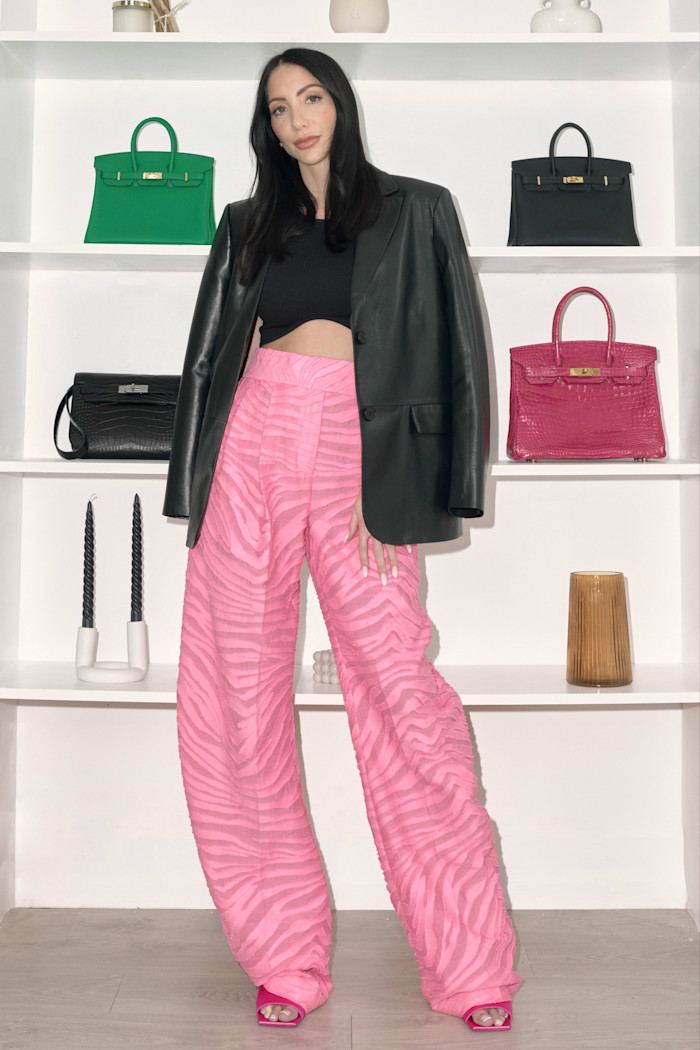
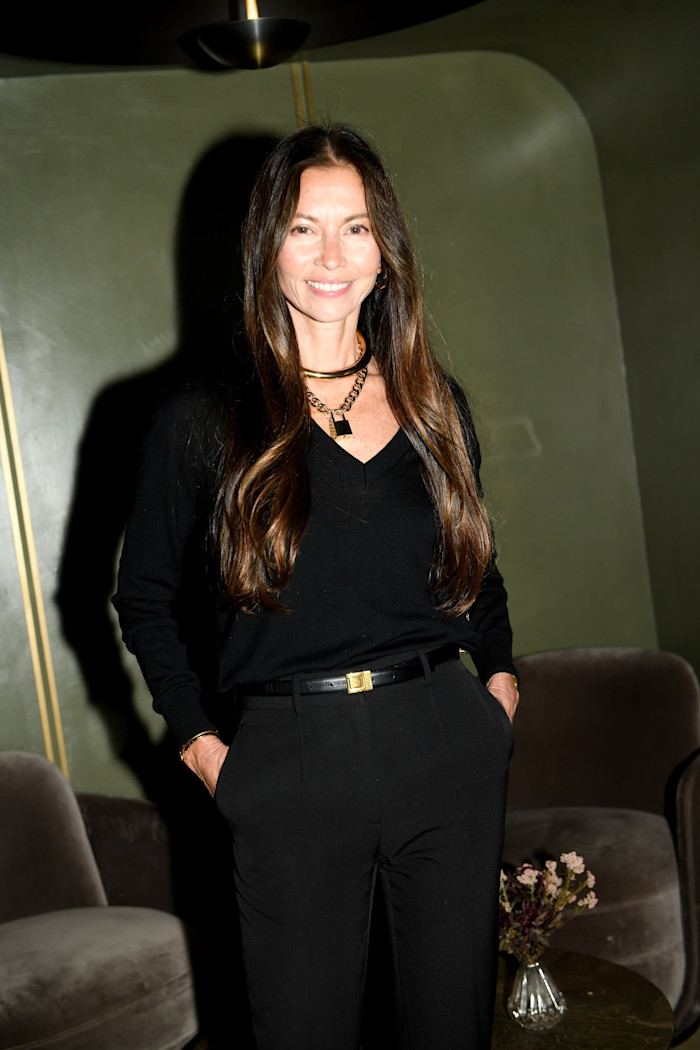
“Personal shoppers have become brokers — fashion brokers, luxury brokers, experience brokers,” adds Puerta. “They want to be able to service the 1 per cent on all categories — ready-to-wear, fine jewellery, art.”
Another growing segment? Vintage and resale. While you won’t find many luxury shoppers trawling on second-hand sites, they do often want pieces from past collections and, equally, might want to declutter their wardrobes.
Personal shoppers are increasingly taking over that burden too, sometimes independently, other times via apps such as Folio by Reflaunt, which allows them to manage different clients’ wardrobes at a time and sell items via 35 different channels. Personal shoppers can decide if they want to be paid upfront, on rates calculated on the type of items they are listing, or after each sale with a commission between 3 and 7 per cent.
“We built the app so that the personal shopper almost becomes a financial manager,” says founder Stephanie Crespin. “It gives a more circular view to the wardrobe as an asset or a dynamic portfolio to monetise.”
The comparison with financial advisers or wealth managers is one that comes easily when speaking of personal shoppers. The relationship between client and shopper is “as intimate as the one with someone who manages your wealth,” says Lottie Oakley, senior vice-president of private client services and clienteling at Belmont Park Village in New York.
Belmont Park Village is part of The Bicester Collection, the umbrella brand that includes open-air luxury shopping villages in Europe, North America and China. At the company, personal shoppers are “incredibly valuable”, Oakley adds, accounting for 20 per cent of the entire business. “They really are the gateway [to the VICs] and many of them have independent books of business that are in the multimillions.”
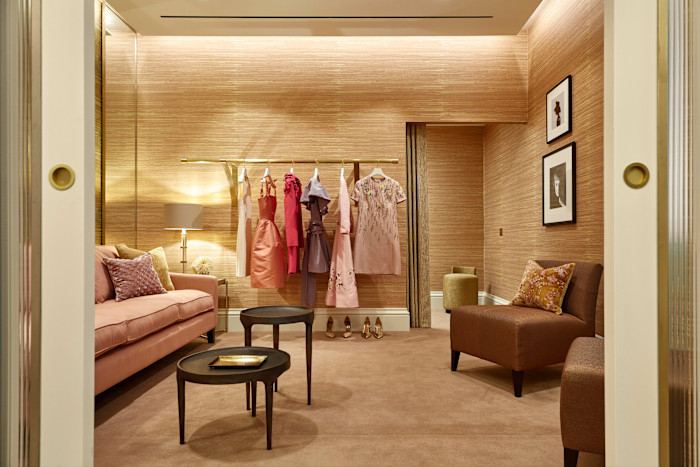
As head of client engagement, Jamal Sinno oversees the internal fleet of personal shoppers at The Bicester Collection. He often travels to the markets where his VICs are to “be with them and immerse ourselves in their culture in order to cater to them in the best way”, he explains from Mumbai, where he has just attended a client event organised in collaboration with a private bank. “We organise dinners, styling events and also high teas where our clients get to meet each other and keep on nurturing this feeling of community and belonging.”
According to Sinno, the most noticeable change in his job has been the importance given to the relationship between shopper and client. “It’s not only about sourcing any more — before it was,” he says. “Now we become friends, we are people of trust.”
And that’s another reason why the service of independent personal shoppers has become so prized. Many luxury clients have become disillusioned with the promise of excellence that top brands peddle — from the doubtful value and quality of their wares, especially compared to their rising prices, to the level of service they provide in store. At a time when luxury brands are finding it harder and harder to train and retain top-quality sales associates to guide their clients, industry-trained, self-employed personal shoppers are swooping in to fill the gap.
“Shoppers don’t get a full educational experience with in-store sales assistants as they used to — and understanding of how sizes fit, for example. Increasingly, it’s just: this is the new collection,” explains Sera Murphy, a personal stylist and shopper based in Singapore.
“Before, the client was the prize. Now a lot of brands treat you like they are the prize and you should be lucky to be able to buy a bag,” adds Gordon, who goes as far as ironing the tissue paper that products come enveloped in before delivering them to clients. At the same time, she is managing purchases that start from a minimum of £10,000.
“The standard that they expect is high, and I can control that standard to increase their experience,” she says. “You have to make clients feel special.”
Follow us on Instagram and sign up for Fashion Matters, your weekly newsletter about the fashion industry