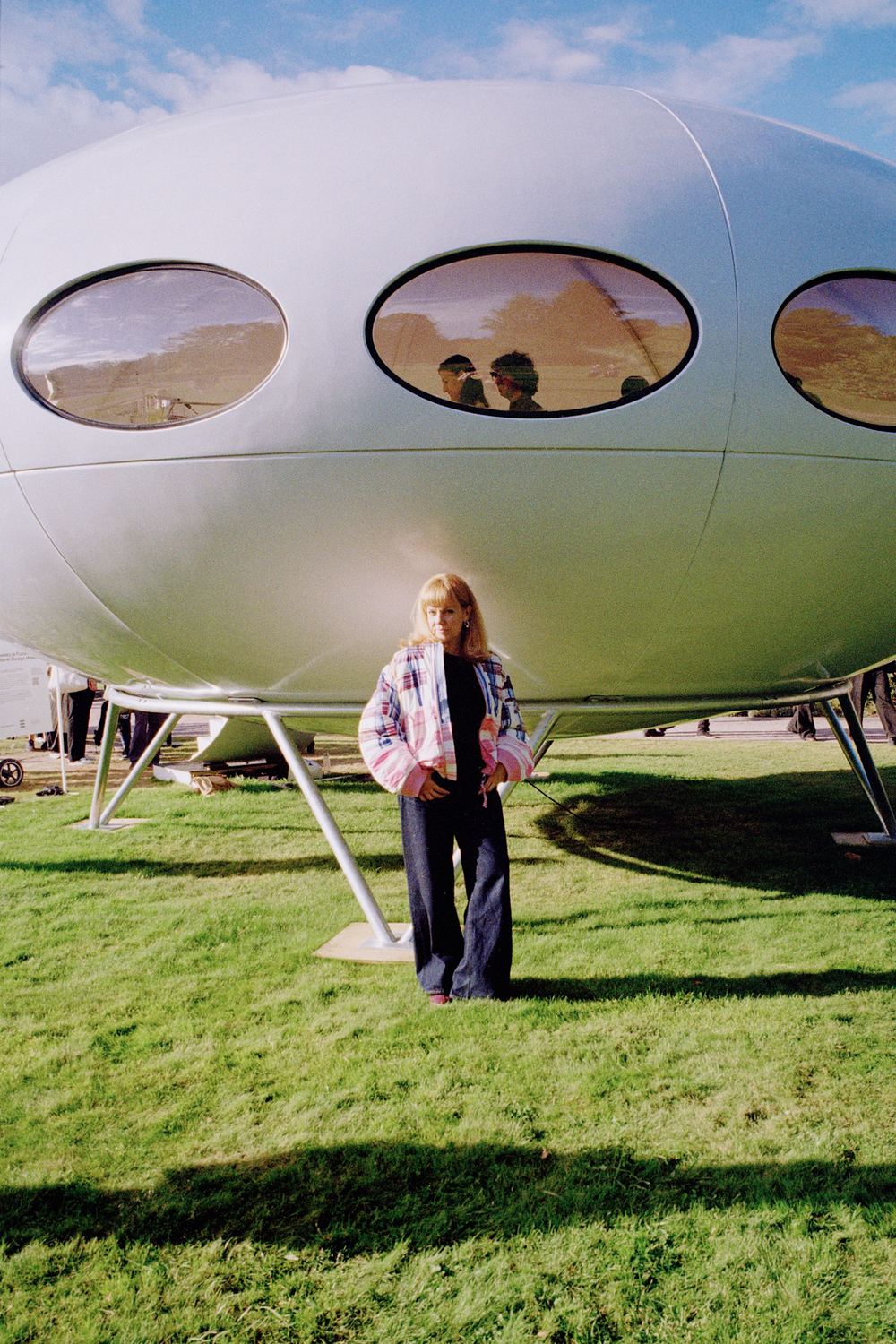
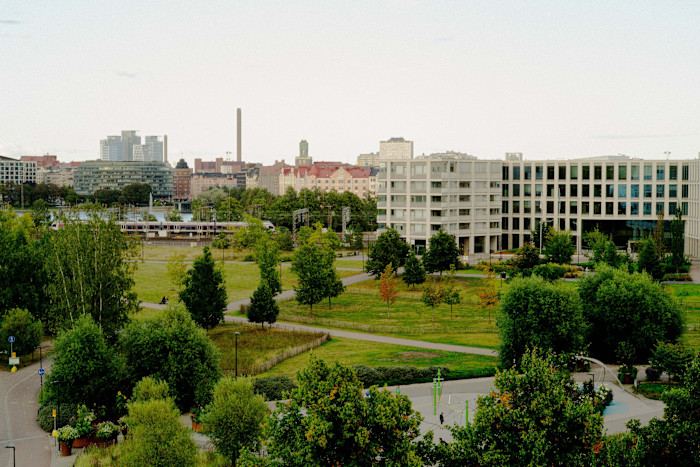
I was born in England and moved here when I was four years old; I very much identify as a Helsinkian. I have lived in Paris, Milan and London and love all of those cities, but Helsinki is the place where I feel most at home – it punches above its weight and size.
I’m the second person to hold the role of the chief design officer for the city. It was introduced in 2016, after Helsinki was named the World Design Capital in 2012 – a title given to a city that invests in design strategically and uses it to improve urban life. The city started looking at how to improve our spaces and services, as well as schools, nurseries and libraries, focusing on the human-centred aspects. Helsinki was one of the first cities to embark on that journey.
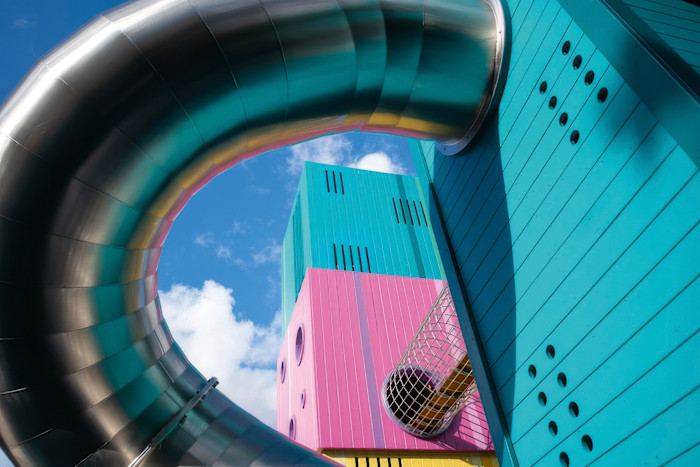
A good example is the computer-themed playground in Ruoholahti that was developed with designer Linda Liukas. It has absolutely [nothing digital] in it – it’s a computer that you crawl into – but there are slides, rope nets, a tunnel and different platforms. When designing it we asked: “What if the secrets of technology could be learned through climbing, crawling and rolling?” I loved being a child here and have fond memories of growing up in the eastern part of the city. I particularly remember coming over the bridge into the city centre, looking out at the water.
It’s important to appreciate the historical layers of the different neighbourhoods here. Some are lovely, low-rise garden suburbs from the 1950s and ’60s. But my heart lies on the coastline where I live in Puotila, an eastern neighbourhood. Every day, I go walking by the sea with Lulu, my 40kg White Swiss Shepherd. She’s very kind and I sometimes visit care homes with her.
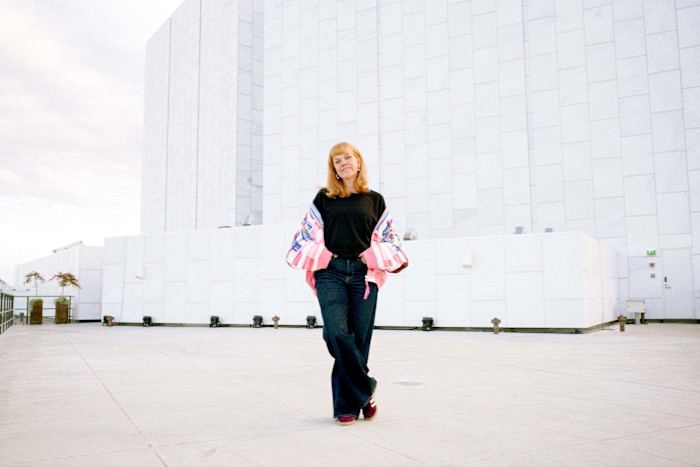
I also love stopping off at Puotila Mansion, a wonderful old wooden building. There are several in Helsinki from the 16th to 19th centuries, when part of town would have been countryside; a ring of manors still encircles the city centre. Some of these estates survive today only in the names of streets and neighbourhoods. Puotila hosts music gigs in the summer and has a terrace.
The Oodi Helsinki Central Library, right opposite Parliament House, is free for everyone – a place where you can think, play chess, learn or just be. The ground floor is an extension of the outdoor public area, the top has more serene reading spaces and the middle has all sorts of equipment you can use, such as sewing machines and 3D printers.
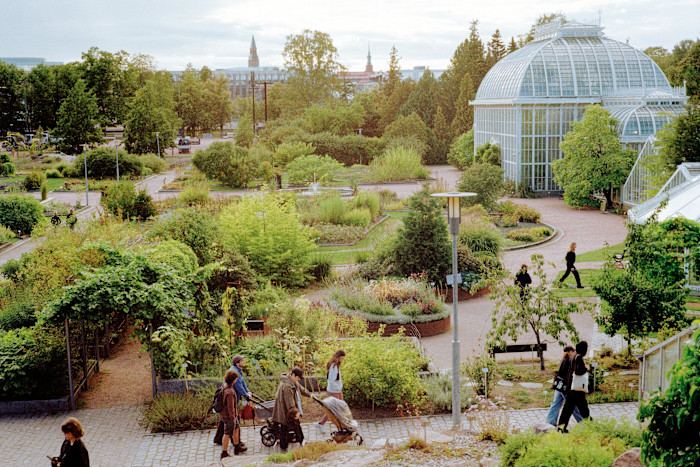
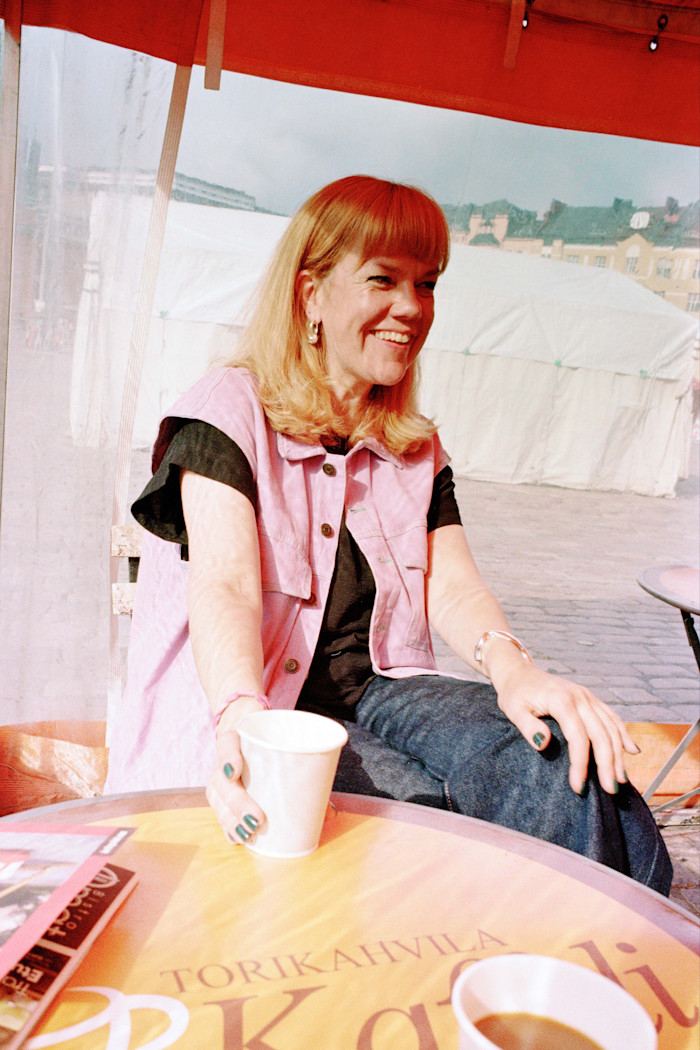

Helsinki’s restaurant culture is thriving and my top eats fall into several baskets. I very much like the old-school institutions such as Elite, which has a timeless aspect to it; I eat a lot of fish there. Ateljé Finne is a simultaneously relaxed and classy restaurant in the former atelier of the 20th-century sculptor Gunnar Finne. (Its chef, Antto Melasniemi, also runs Putte’s Bar & Pizza downtown, which serves some of the best pizzas in Helsinki.) I’m also a massive coffee drinker, something influenced by my time spent living in Italy. My favourite is Kahvisiskot in Hakaniemi Market Square, where, I’ve been told, legendary Finnish designers Harri Koskinen and Oiva Toikka used to go for porridge.
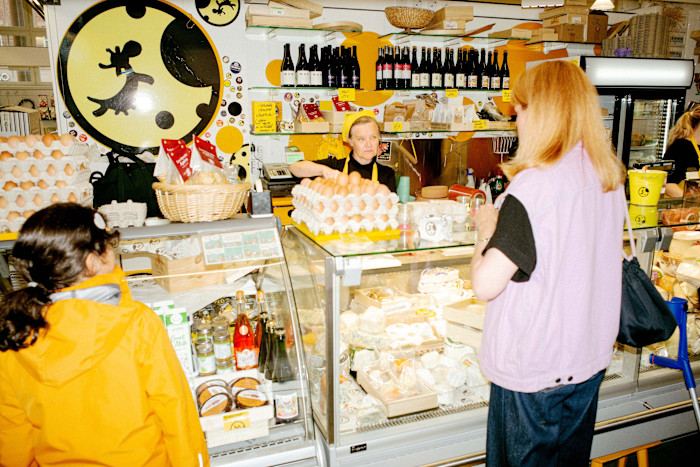
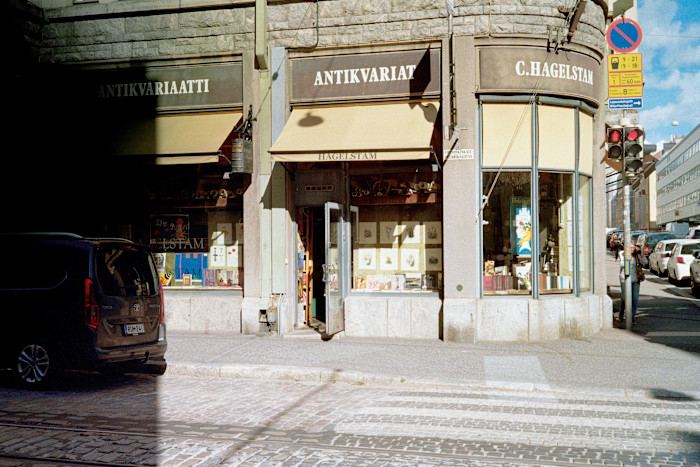
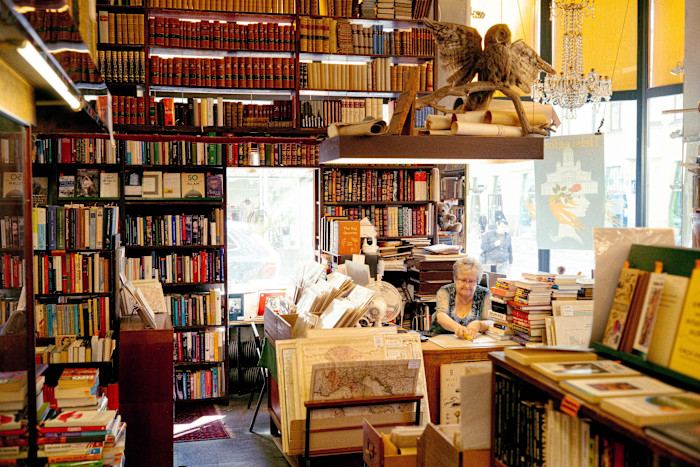
I can’t go into a bookshop without coming out with something. In Helsinki I go to the Academic Bookstore, designed by Alvar Aalto. The café upstairs does a fantastic spinach and feta pie. And I love C Hagelstam, an antiquarian bookstore, which sells wonderful old prints. I was just eyeing up one by Alexander Calder.
The popularity of public saunas is on the rise again; they make excellent use of the city’s whopping 130km of shoreline. My favourite is the Yrjönkatu Swimming Hall, which reopened in February following a two-year renovation, but they range from intimate venues, such as Kulttuurisauna, to larger establishments with restaurants attached. Many are architecturally stunning: the sauna on the small island of Lonna was designed by award-winning architecture firm Oopeaa.
Seurasaari is another island close to the city. It houses a beautiful open-air museum of 17th- to 20th-century buildings that have been relocated from all over Finland. A recent addition is a cottage from a former summer retreat for the Finnish Association of Architects.
Of course, there are loads of interesting galleries and museums in Helsinki, from the National Museum of Finland to the Helsinki Art Museum. In 2024, the Museum of Finnish Architecture and the Design Museum merged into one institution with two amazing collections that include more than half a million drawings and objects, among them Tapio Wirkkala glassware and Marimekko’s fashions. We are in the process of creating a new building for the collections on the docks that will become part of a new central district when it’s finished in 2030.
I’m also involved in rethinking the future of the decommissioned 1970s Hanasaari power plant in the eastern part of the city, which offers potential for exhibits, events and recreation. These projects represent a design flavour that’s locally relevant and part of our national building story. Architecture is part of how Finland crafted its identity as a sovereign state during the 20th century. Now it’s something that’s expected from us.
BARS, CAFÉS & RESTAURANTS
Ateljé Finne ateljefinne.fi
Elite elite.fI
Kahvisiskot kahvisiskot.fi
Putte’s Bar & Pizza puttes.fi
SHOPPING
Academic Bookstore akateeminen.com
C Hagelstam Antiquarian Bookstore cecilhagelstam.com
THINGS TO DO
Architecture & Design Museum admuseo.fi
Finlandia Hall finlandiatalo.fi
Helsinki Art Museum hamhelsinki.fi
Kaisaniemi Botanic Garden Kaisaniemenranta 2, 00170
Kulttuurisauna kulttuurisauna.fi
Lonna sauna lonna.fi
The National Museum of Finland suomenkansallismuseo.fi
Oodi Helsinki Central Library oodihelsinki.fi
Playground Ruoholahti Laivapojankatu 8, 00180
Puotila Mansion puotilankartano.fi
Seurasaari Open-Air Museum suomenkansallismuseo.fi
Yrjönkatu Swimming Hall Yrjönkatu 21 B, 00120