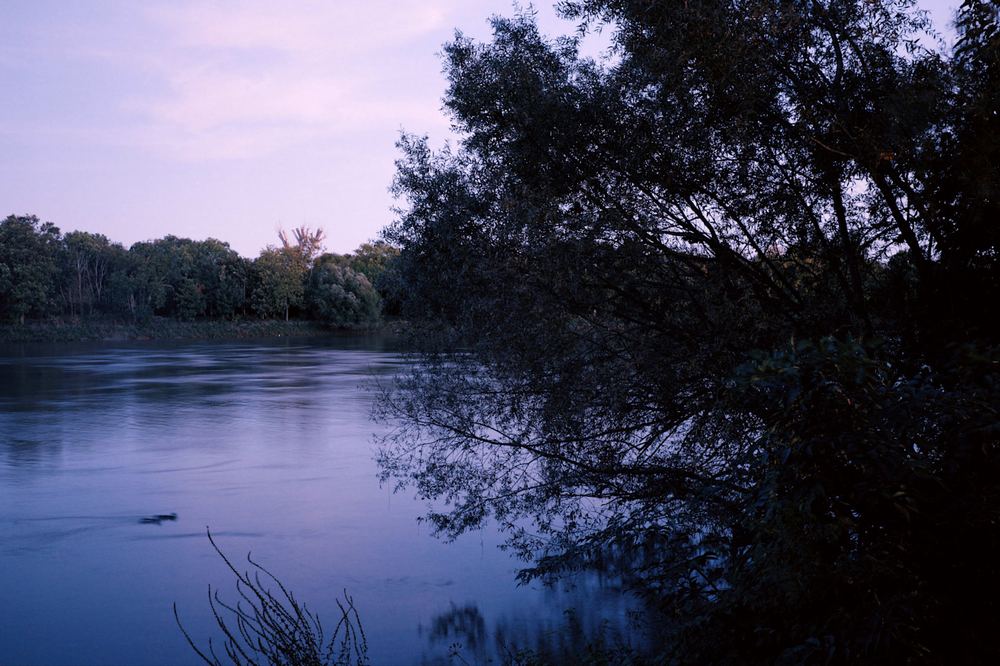
The night isn’t black; it’s blue. Or rather, a vast range of blues. From a milky grey-blue, as the light dims, into gleaming turquoises and indigos as the sun disappears, then the deep surly navy blues and purples of nocturnal shadows. Vincent van Gogh wrote: “It often seems to me that the dark is more richly coloured than the day, having hues of the most intense violets and blues.”
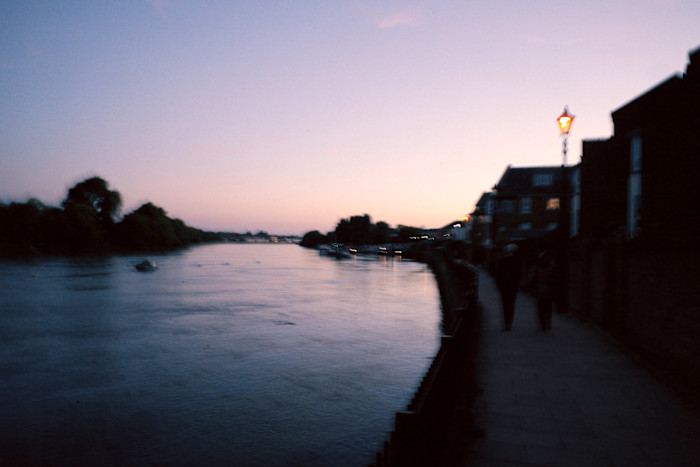
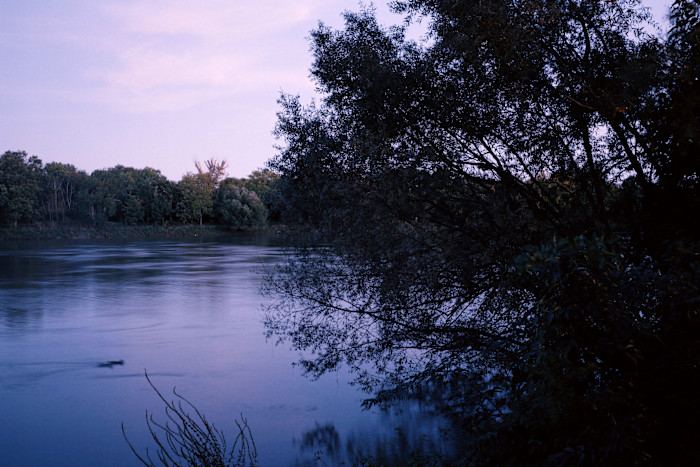
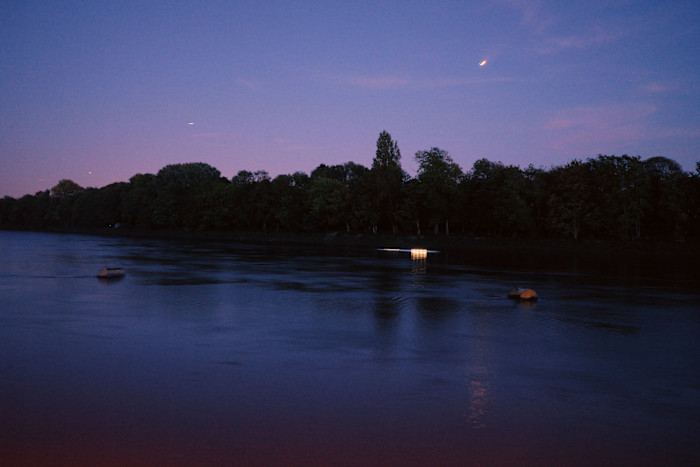
This is one of the quotes in The Indigo Hours, a new collection of writing about walking at night drawn from essays, journals, travelogues and letters by authors from the 1600s to the present day. And — with my eyes newly opened — the blueness of night-time was what I saw even on a dullish October evening beside the Thames in west London, as I set out on a walk with the anthology’s editor, Duncan Minshull, at nightfall. The sky, above a darkening silhouette of trees over on the south bank of the river, still gleamed aquamarine with the disappearing sun and the light spillage from the city, while the water, along this wide sweep of the Thames, moved through deepening shades of blue until it gleamed like steel.
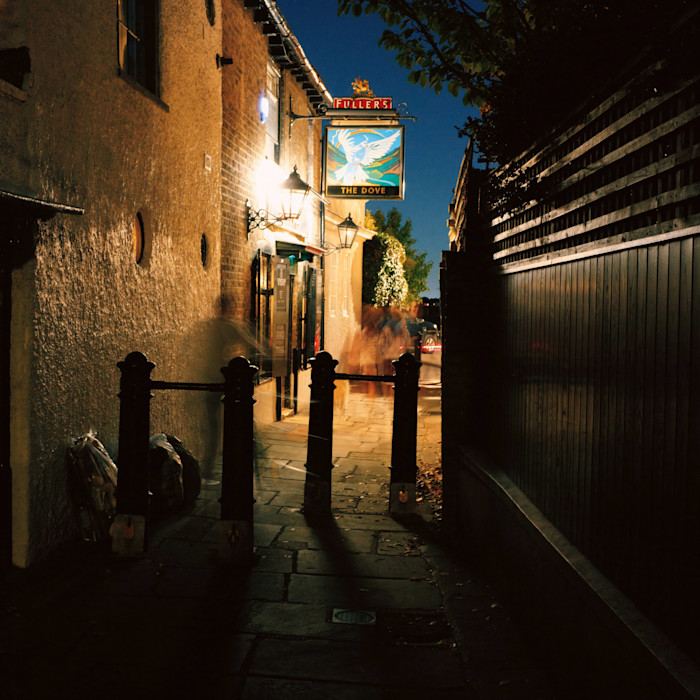
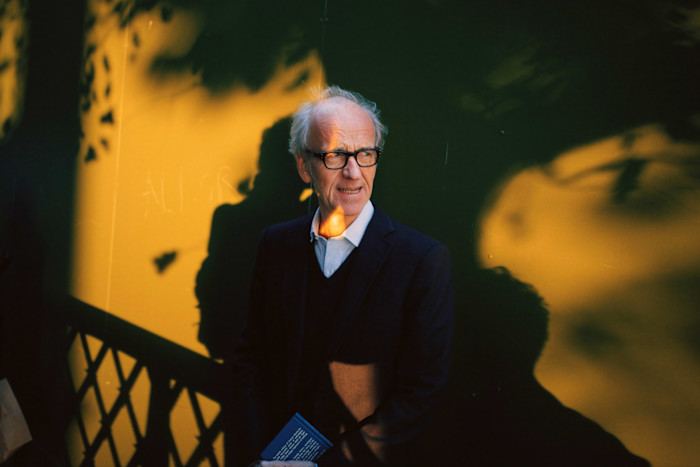
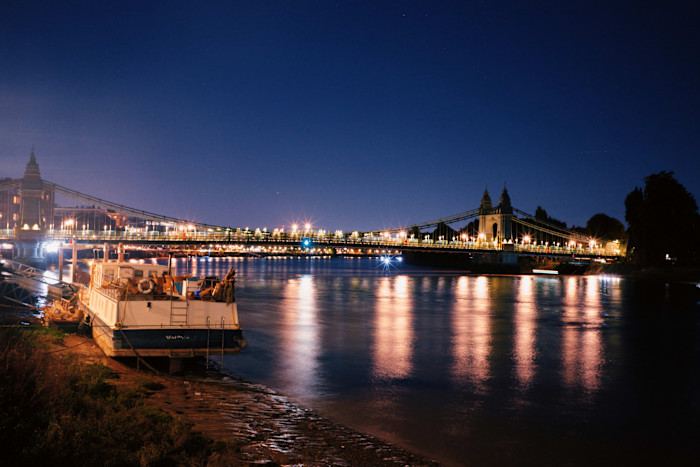
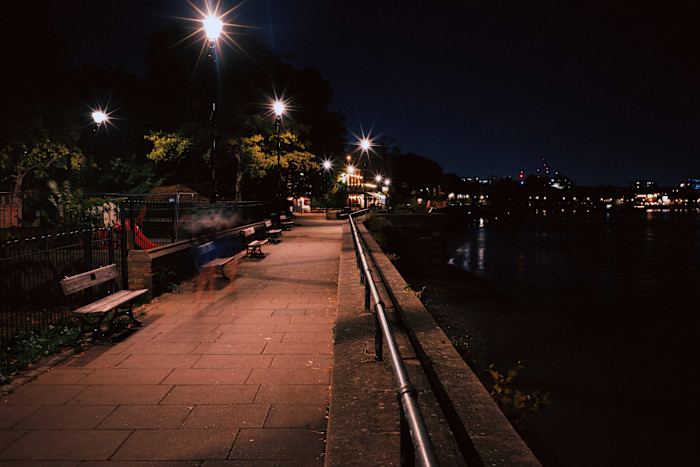
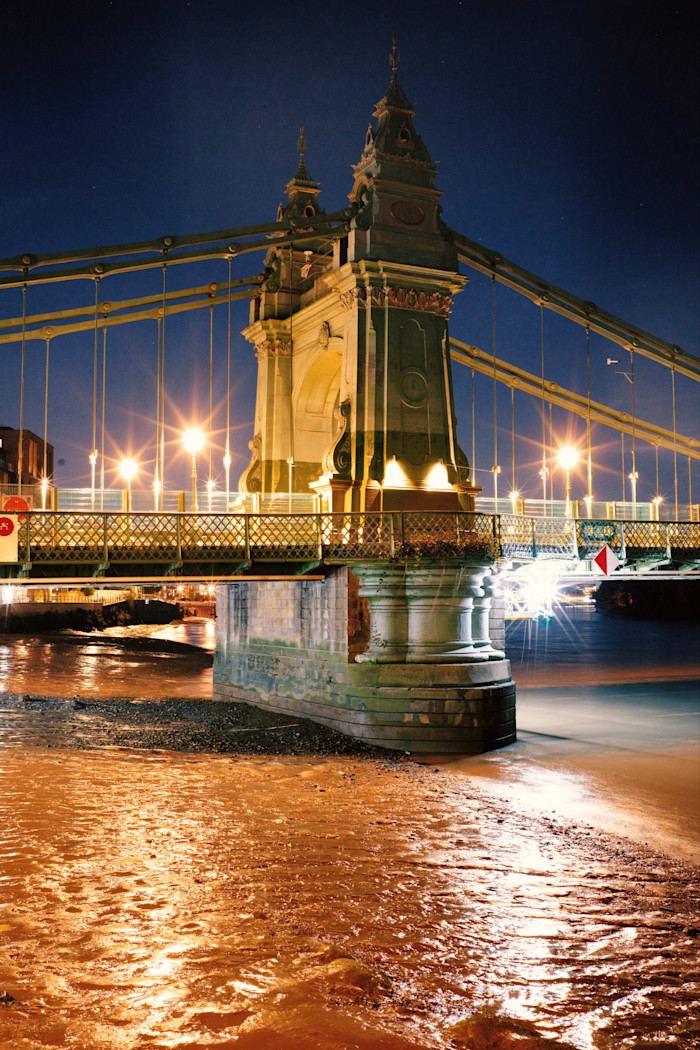
For Minshull, The Indigo Hours is the fourth in a series of anthologies on different aspects of walking, following Beneath My Feet, Sauntering and Globetrotting. He has also published While Wandering and Where My Feet Fall, and written countless articles on adventurous walking. Yet his choice for our meeting was an easy, companionable stroll along the Thames Path, from Hammersmith Bridge westwards in the direction of Chiswick. It’s a beautiful walk, at any hour, turning one’s back on modern London and heading into a historic world of a riverside lined with Georgian houses, bankside rose gardens, rows of poplars, the occasional low-beamed pub.
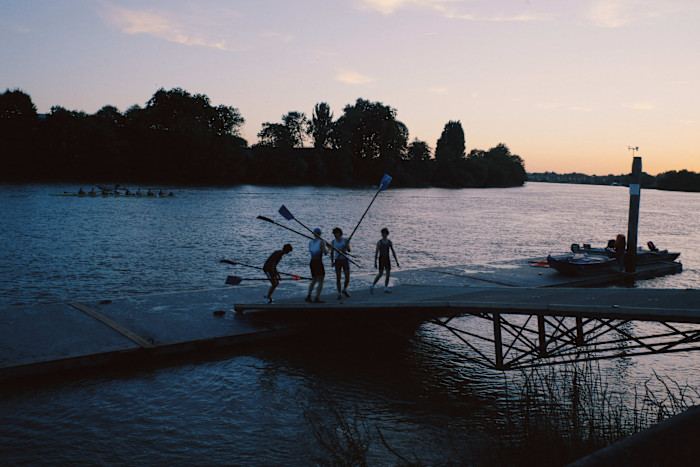
The river, unembanked here, laps right up to the path in places; there are reed beds, ducks dip in and out, vintage houseboats bob quietly on the water that rowing crews are leaving one by one at dusk, with the stragglers like the inky outlines of boats in a Chinese painting. It’s a grand but gentle river at this point, compared with Théophile Gautier’s vision of the Seine at night as inky, oily, threatening, or Charles Dickens’ description of the filthy 19th-century inner-city Thames as having “an awful look”.
Our path was a good choice for finding night in the glare of the city, and for discussing the writers in Minshull’s anthology. From Dickens, who wandered London’s streets until dawn to combat his insomnia, witnessing the sadness of the “houseless”, to Annabel Abbs, recounting in her 2021 travel memoir Windswept being in Santa Fe and making that mistake so many of us Europeans have done (thinking you can actually walk in an American city), the range is extraordinary.
John Brown, an escaping enslaved man who wrote Slave Life in Georgia in 1855, walked all night and hid by day to evade captors, following the North Star and braving alligators along the Mississippi “under the impression that it would take me to England”. There’s a matter-of-fact but spine-tingling account of a UFO sighting from a US Air Force report of 1981; there’s a lyrical extract from Dorothy Wordsworth’s diaries about her brother William, seeing the full moon above the Lakeland fells as “a fine image of the descent of a superior being”.
And many more. But what, I ask Minshull, makes walking in the dark so special? He quotes an extract from Henry David Thoreau, published in 1863 in Night and Moonlight: “Many walk by day; few walk by night. It is a very different season.”
Not just a different season, Minshull adds, but a real shift in our perceptions. Other senses come to the fore as we rely less on our eyes — smell, hearing, even touch. Writers seem to agree that something different happens in your head too. Virginia Woolf can always be relied on for a transcendental moment and her perception while nightwalking in 1905 was that “the body carried forward over the ground was something separate from the mind which floated away as though in a swoon”. In her altered perception, “Clouds floated where the hills had been . . . the earth with its infinity of detail was dissolved into ambiguous space,” and watching the stars, hanging untethered, “the brain woke and constructed a scheme of the world in which to place them.”
More pragmatic authors also record the way in which shapes and spatial relationships are changed in the dark. On the Thames Path, with its intermittent lighting, I’ve begun to notice to my cost that solids and liquids look interchangeable; Leigh Hunt, on a long dark walk home in 1828, declared that “Mistaking a soft piece of mud for hard mud, and so filling your shoe with it . . . must be acknowledged as ‘aggravating’. But then you ought to have boots.”
(On the subject of footwear, so important to walkers, I can’t help noticing that Minshull is shod not in pro walking boots or even trainers but in fine leather shoes more suited to a flâneur in Piccadilly than a seasoned hiker. He has, he says, a bit of a thing for shoes.)
My own fondness for night walking began during the pandemic lockdown in the summer of 2020. Cooped up at home in that glorious weather, I took to long late walks through the deserted city, all the more enjoyable for being forbidden, and learnt for myself how well-known places can appear utterly strange by night. Since then, night-time country walks have become a delight. But, I’m often asked by women friends, aren’t you scared? Well, yes, sometimes a little. Kate Pullinger, in a 2007 essay entitled “Nightwalks”, commissioned by Minshull for BBC radio (where he was a producer for 17 years), says: “It’s a girl thing, I guess, a woman’s lot, being nervous when walking alone at night. We are told to be afraid, so we are.”
The terror of Mary Morris, walking an unlit dirt track in rural Mexico, went way beyond that. “I behaved like a hunted thing,” she writes in her 1988 travel memoir Nothing to Declare, advising women they should know how to “curse like a sailor, kick like a mule, and scream out your brother’s name, though he may be three thousand miles away”.
Minshull’s selection of writings is on the whole more gentle. Crime and violence do appear, though more historic than recent — Thomas Coryat in his 1611 travelogue records that, in Venice, “certaine desperate and resolute villaines called Braves. who . . . do commit great villainy”, stripping and robbing their victim and, “when they have thoroughly pulled his plumes”, dumping him in the nearest canal. Jack London in 1907 described scary street children: “Road-kids are nice little chaps — when you get them alone . . . But take my word for it, watch out for them when they roam in a pack. Then they are wolves.” Today’s grim after-dark realities of knife and gun crime, sexual assaults and gang violence don’t find a place here — but then, as Minshull points out, his anthology is literary rather than journalistic. Along our path tonight, the biggest danger is the occasional e-bike flashing suddenly out of the darkness.
What about the supernatural, the terrors of the imagination? Given that these pieces are all non-fiction — though sometimes it’s easy to see, especially with Dickens, how real-life experience fed into fictional work — most ghostly apparitions are dismissed. Joseph Addison writing in 1711 writes that since “Night heightens the Awfulness of the Place . . . I do not at all wonder that weak Minds fill it with Spectres and Apparitions.” A grazing cow looming out of the dark, he says, “an Imagination that is apt to startle might easily have construed into a black Horse without a Head.”
Mostly, though, these writers experience nightwalking as dreamy, exhilarating, even therapeutic — “medicinal and fertilizing to the spirit”, Thoreau says. Despite her nervousness, Pullinger finds that “When I walk alone at night I like to dream . . . I walk in my own warm fug and, before I know it, benevolence creeps up on me and I’m in love with the city, in love with the world, all over again.”
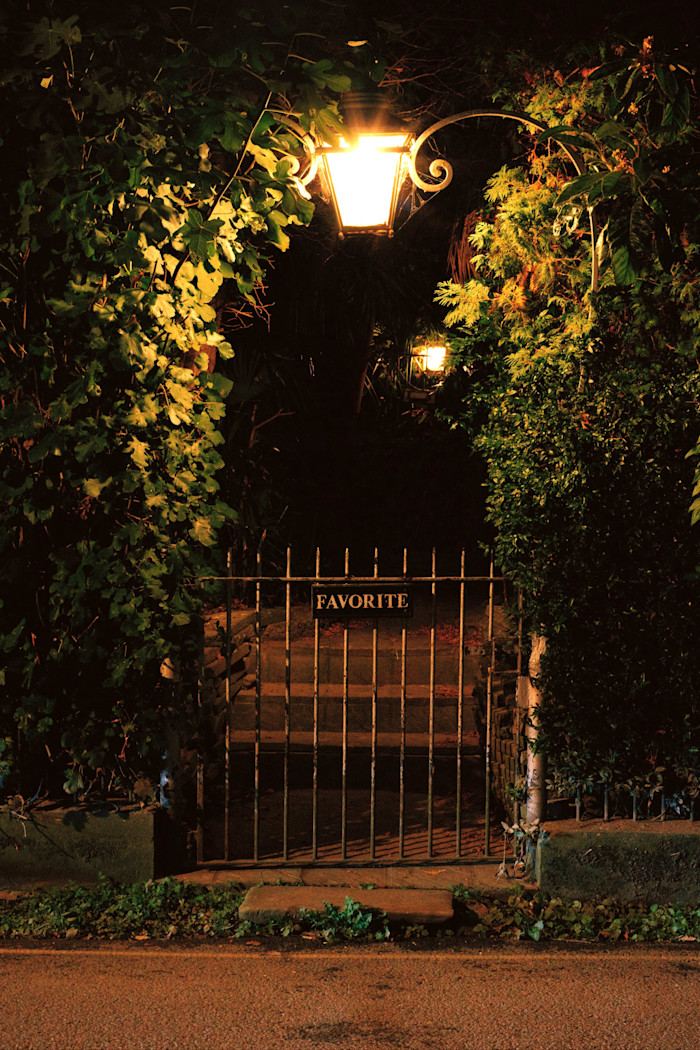
If being out on foot at night can be solitary, meditative, perhaps a little surreal, it can also be, as Minshull puts it, “performative”. People cast off their daytime selves and, as he writes in his excellent introduction, “Daylight vistas begin to resemble stage-sets under lamplight.” Edith Wharton, in an Italian piazza late one evening, describes the setting and the characters in the square as a piece of theatre — the main players, the chorus, the spectators, even a show-off Pomeranian dog, each acting out their roles.
It’s a delightful short extract, and hints at a deeper psychological truth, that people are often more open, more at ease, in the “irresponsibility which darkness and lamplight bestow” (Woolf again). Degrees of light are important; Minshull’s personal favourite here, he says, is Robert Louis Stevenson’s 1881 essay “A Plea for Gas Lamps”, in which the writer discusses the brash horrors of electricity compared with the “warm domestic radiance” of gaslight, city folks’ “biddable, domesticated stars”.
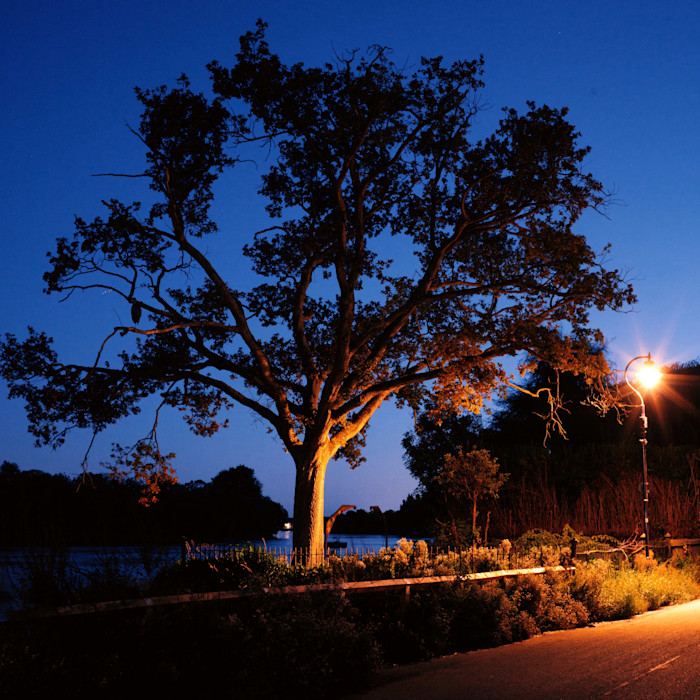
Once it was fully dark along the Thames Path we had plenty of domesticated stars of our own. Gradually emerging points of light studding the sky could have been thanks to Mother Nature or to Elon Musk; it hardly mattered. Those pretty multicoloured winking lights strung at regular intervals above us were jets on the approach to Heathrow, and the further west we walked the lower they loomed, the noise shattering the peace of the increasingly beautiful night. However, Minshull says, in the spirit of the walker-writers in his book who were all, in their way, grappling with history and modernity in their different nightscapes, perhaps we just have to learn to love them.
‘The Indigo Hours: Writers Walk the Night’, edited by Duncan Minshull, is published by Notting Hill Editions on November 10
Find out about our latest stories first — follow FT Weekend on Instagram, Bluesky and X, and sign up to receive the FT Weekend newsletter every Saturday morning