His fans call him Abdul. Republicans call him Abdulrahman Mohamed El-Sayed. Donald Trump calls him “Abdullah bah bah bah bah bah Mohamed”, a “radical jihadist”.
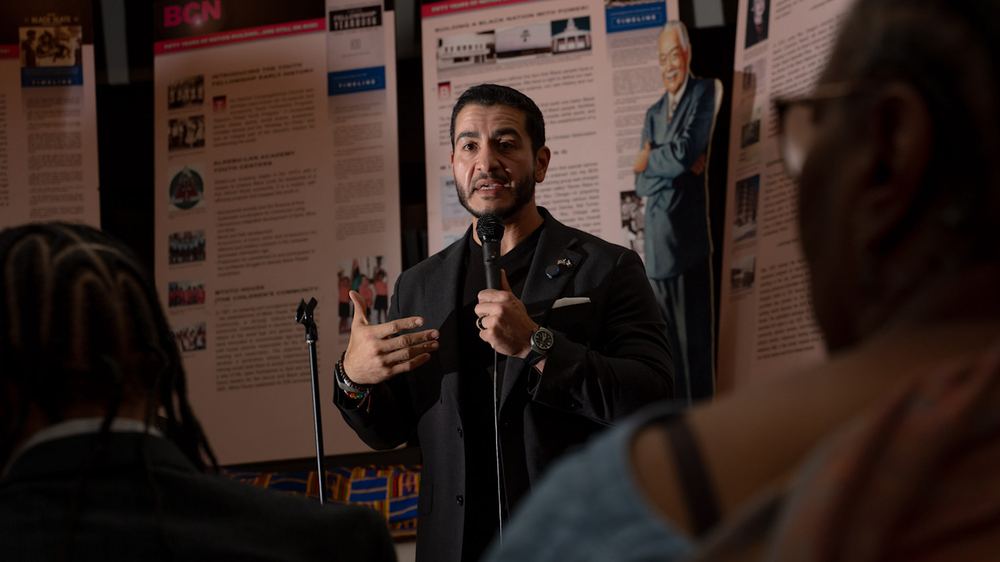
Abdul El-Sayed, Democratic candidate for the US Senate in Michigan, said his enemies are trying to make the whole midterm election about his name.
It is all a big distraction from the issues voters really care about, he told people last week at the Shrine to the Black Madonna, an African American church in Detroit.
“My name is not the reason you’re paying more for your gas, my name is not the reason you can’t afford your groceries . . . my name is not the reason we’re in a war in Iran,” he said to the murmured assent of the crowd. “It’s their policies.”
Abdul El-Sayed campaigns at a rally in Michigan on Sunday
The son of Egyptian immigrants, El-Sayed has become one of the central protagonists in an election he has called the “most consequential midterms — possibly — of our lifetime”.
If he wins on November 3 he will become the first Muslim senator in US history, and prove that a populist-left agenda can succeed not only in cities such as New York but also in the swing states of rust-belt America.
But a defeat could cost the Democrats control of the Senate. The party needs a net gain of four seats held by Republicans to flip the 100-seat upper chamber of Congress.
“If you end up losing Michigan, you have to win five of the swing races,” said Jon Hanson, a political scientist at the University of Michigan.” And that’s a really tall order.”
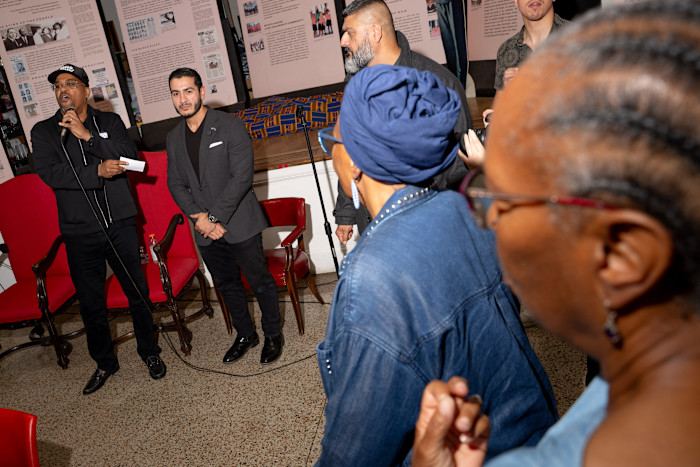
For this reason Michigan has become one of the most closely watched races in the country. A large part of the interest is down to El-Sayed himself. A doctor by training and former public health official who has never held elected office, he won the Democratic nomination in August by going to war against the party establishment, defeating his big-spending rivals.
Since launching his Senate campaign, he has held more than 500 events in over 100 cities and towns across Michigan and become a near-ubiquitous presence on social media. Combative and charismatic, he has galvanised the Democratic base with a mix of machismo and progressive policies, focusing on universal healthcare, lowering living costs and curbing corporate influence in politics.
John Sellek, a Republican strategist, said his pugnacity had inspired Democratic voters long disappointed by their party’s tepid response to the president.
“He’s saying, ‘Look at me, not only have I bulked up physically, and am showing it off all the time in my tight black T-shirts, but I’m going to verbally go after [Trump] in a way that most Democrats aren’t very good at.’”
In Detroit last week, El-Sayed told the crowd that Trump was a symptom of the corruption plaguing America’s body politic, but not its cause. “The disease is the system that allows billionaires and corporations and special interests to buy and sell politicians [who] rig the system against us,” he said to loud applause.
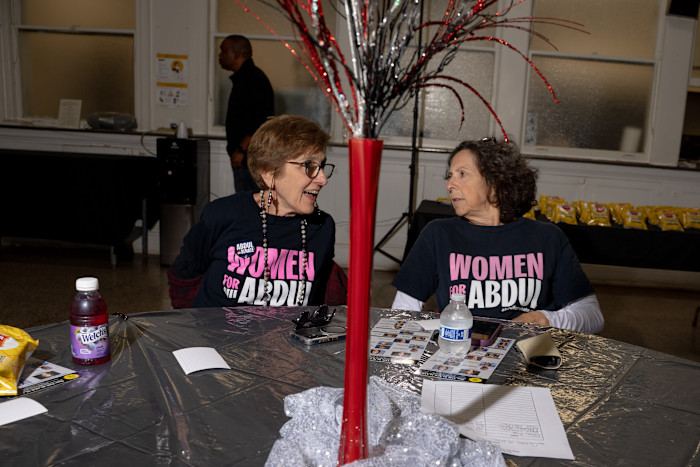
He then led the audience in a rousing call-and-response of his three campaign pledges, the crowd bellowing back in unison: “We want money out of . . . POLITICS! Money in your . . . POCKET! Medicare for . . . ALL.”
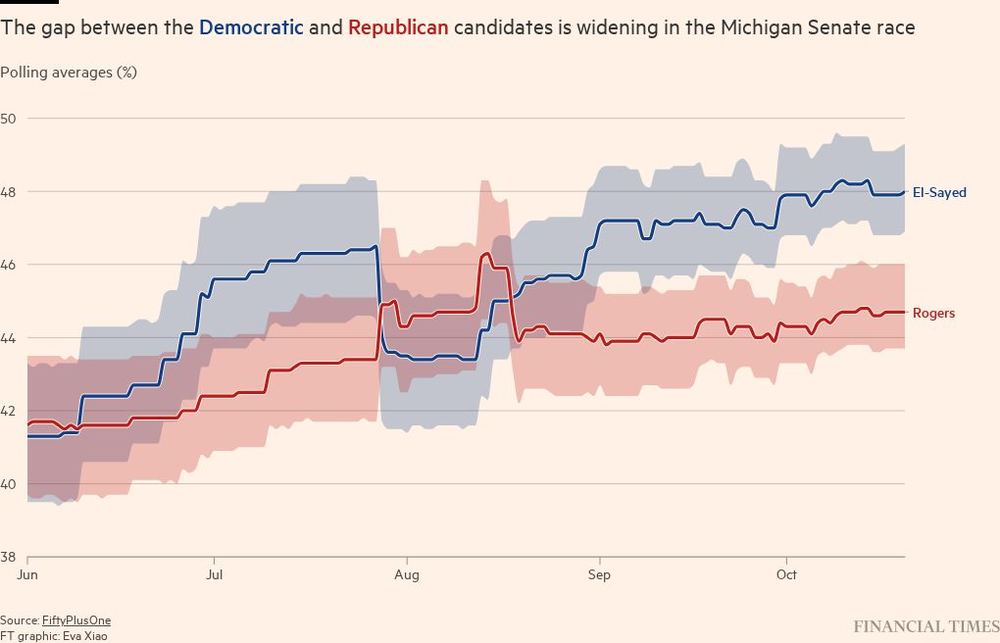
Despite the crowd’s enthusiasm, the race is close, with El-Sayed enjoying only a narrow lead over his Republican rival Mike Rogers.
Some independent voters are uncomfortable with El-Sayed’s leftist agenda and his fierce criticism of Israel. During the primaries he was widely criticised for campaigning with Hasan Piker, the leftwing streamer who controversially said America “deserved” 9/11, and that he would “vote for Hamas over Israel every single time”.
“There are a lot of Democrats who are going to stay home, or are already saying they’re going to support Mike,” said a person familiar with Rogers’ campaign. “They just don’t feel like Abdul represents them or their values.”
El-Sayed shrugs off such criticism. “I’m a new face with new ideas,” he said in an interview with the FT. “If the old ideas are working, go ahead. But I think for most people in the state and in this country, they’re not.”
Attendees at the Detroit event agreed. “I don’t find him radical at all,” said Marianne Livezey, a retired teacher. “He’s right where he needs to be.”
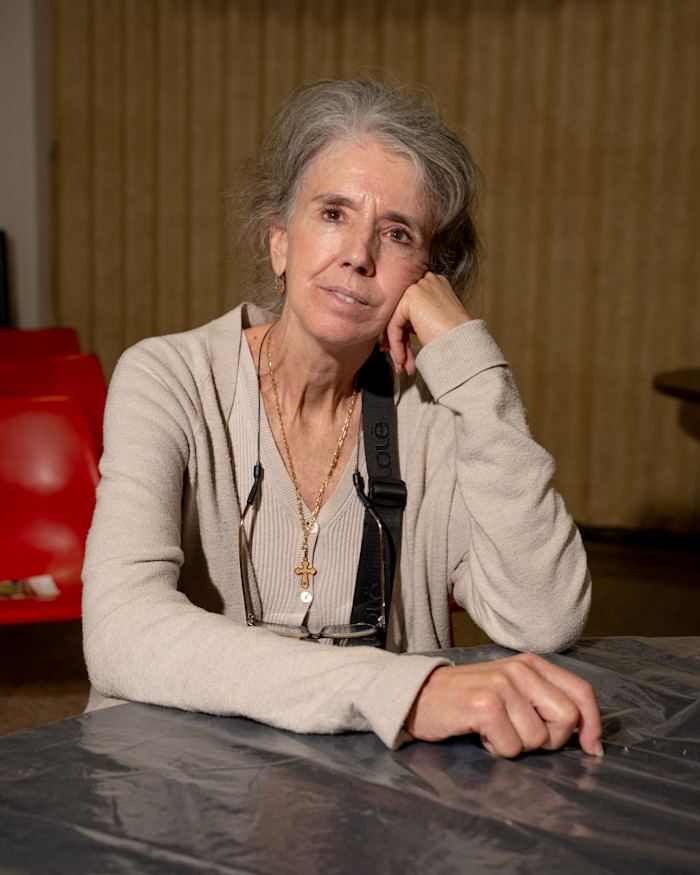
She agreed that America’s brand of capitalism was not working. “We’re the richest country in the world — so why am I handing out $5 to homeless people?”
In theory, this should be El-Sayed’s election to lose. Michigan has not elected a Republican senator since 1994 and Trump’s record-low approval ratings are weighing on his own party’s prospects. His Iran war has pushed up petrol prices and stoked inflation, with almost half of voters saying they are worse off financially during his second term.
In a sign of the president’s unpopularity, Rogers, who represented Michigan’s eighth congressional district for seven terms and chaired the US House intelligence committee for four years, has broken with Trump on the Iran war and on his tariff conflict with Canada, saying in one ad: “Here in Michigan we know Canada is not our enemy.”
But he has also relentlessly attacked El-Sayed, calling him an “extremist” and a “conman” and accusing him of taking “money from individuals on his campaign who openly support Hamas, Hizbollah, al-Qaeda”. The El-Sayed campaign said fact checks by several independent research outlets have shown the allegations are false.
Earlier this month, the Republicans discovered a new line of attack: tweets by El-Sayed’s half-sister, recently unearthed by conservative media, describing their mother’s ties to the Muslim Brotherhood, an Islamist group.
El-Sayed, who has disavowed the organisation, insisted he was not raised by his biological mother and had no knowledge of her activism. But Rogers has seized on the posts, accusing him — without evidence — of longstanding sympathies with the group.
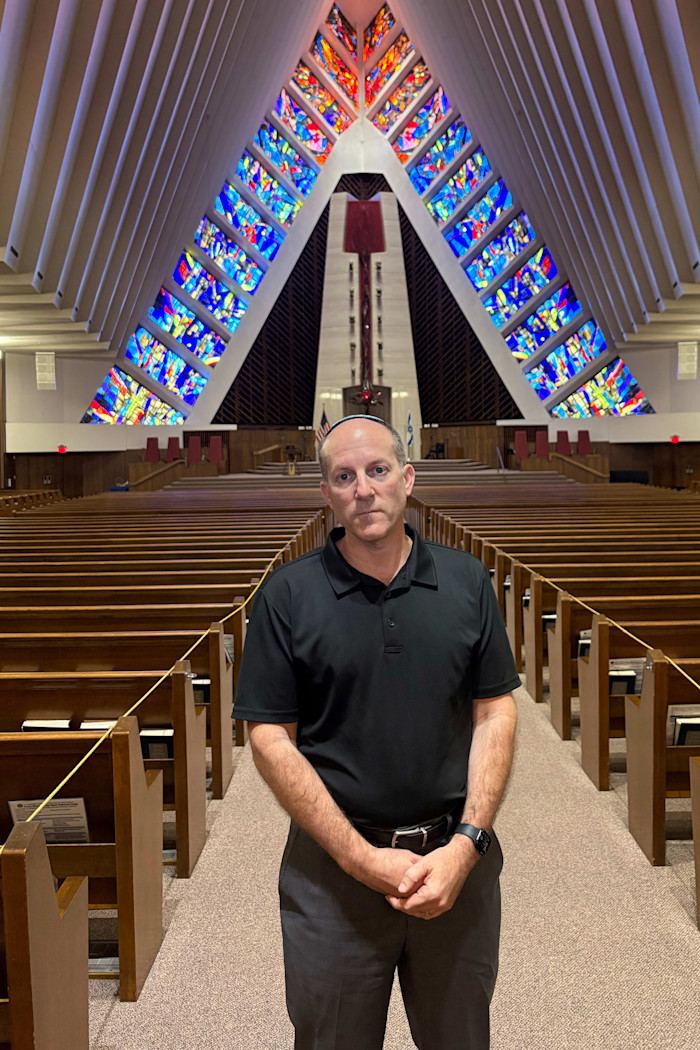
The claims have intensified the doubts many Jewish voters — a vital Democratic constituency in Michigan — harbour about El-Sayed. In March he caused consternation in the community by appearing to link a terror attack on a synagogue near Detroit to Israeli air strikes in Lebanon that had killed the attacker’s relatives. He later apologised.
“When Dr El-Sayed uttered the words ‘hurt people hurt people’, it felt like being kicked when we were already on the ground,” said Rabbi Aaron Starr, who leads Congregation Shaarey Zedek, a prominent synagogue in suburban Detroit.
Meanwhile, his description of Israel as “bloodthirsty” and his use of the words “genocide” and “apartheid” in relation to Israel “cause incredible alarm within our community”.
“I’m the grandchild of Holocaust survivors and I know that hateful rhetoric can lead to violence and suffering,” Starr said.
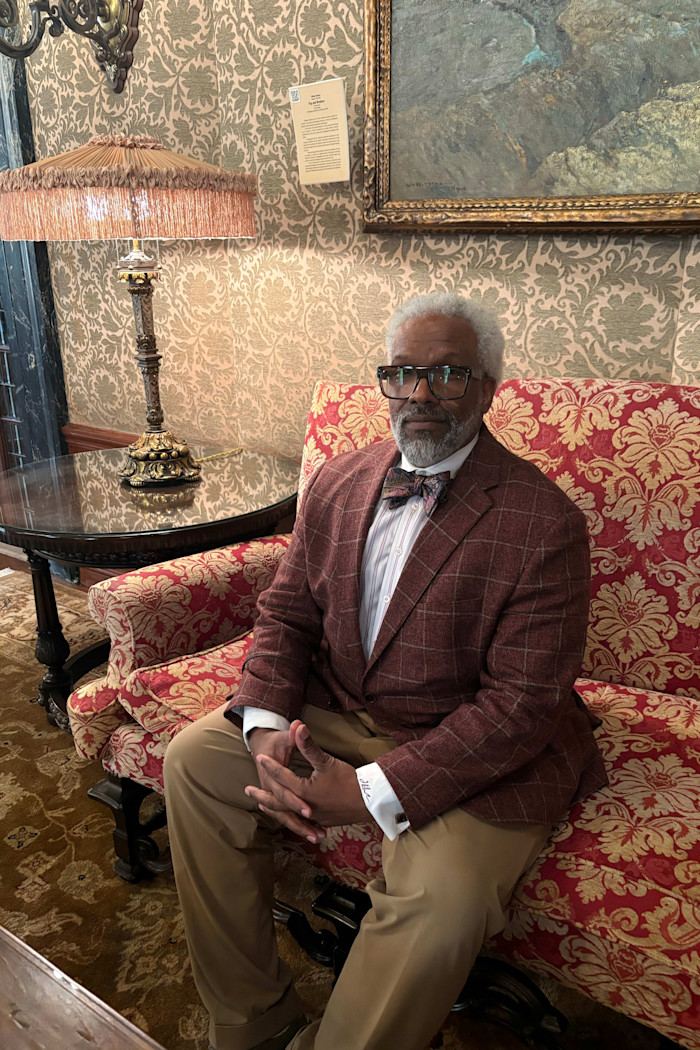
Some Black voters are also mistrustful of El-Sayed. Todd Perkins, a longtime Democrat and prominent Detroit attorney, said he had not forgotten El-Sayed’s role in a progressive campaign urging Democratic voters to select “uncommitted” rather than vote for Joe Biden in the 2024 presidential primary, in protest at his support for Israel’s war in Gaza.
El-Sayed “set the house on fire”, said Perkins. “And the irony of it is, now he wants us to coalesce as Democrats behind him when he didn’t do the same in 2024.”
However, Perkins added that he would still be voting for El-Sayed, and expressed alarm at Rogers’ “vitriolic” rhetoric and “veiled, coded comments about [El-Sayed’s] ethnicity”.
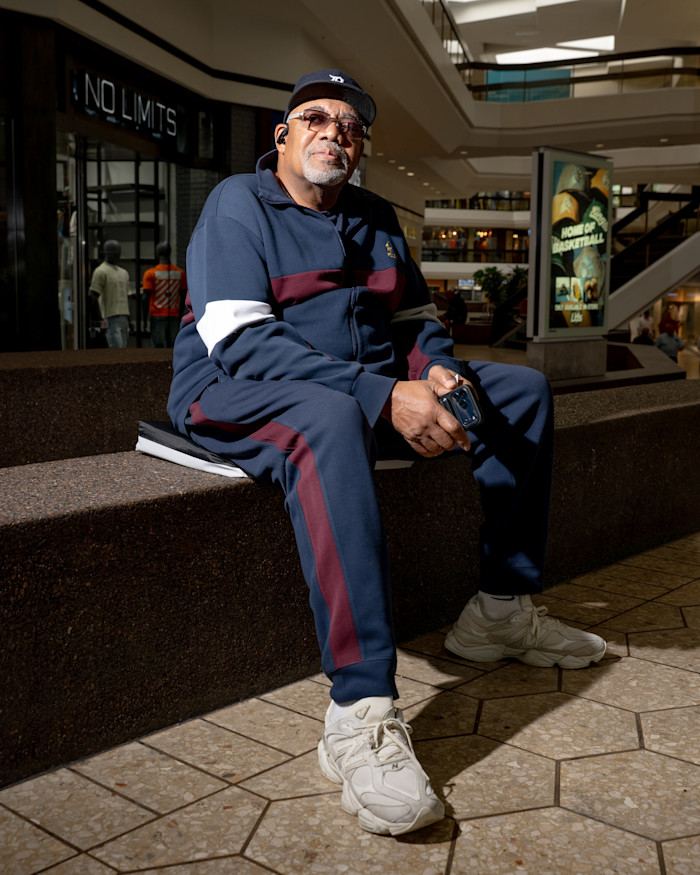
Other Black voters are also backing him. Stu Jackson, a retired automotive worker from the Detroit area, is one. He has had to take up a job as a security guard at a jewellery store to make ends meet, instead of “enjoying my retirement”.
El-Sayed, he said, understood the pain of hard-pressed consumers and was on the side of the working class. “The Republican Party is not for the labour movement,” he said.
El-Sayed also has strong support in Dearborn, a Detroit suburb that is home to one of the largest concentrations of Arab Americans in the US.
Mohamed Awadalla, a restaurant owner with Palestinian roots, said the candidate’s criticism of Israel chimed with the mood in his community. “The war in Gaza is a big thing here,” he said as he left his gym in a Dearborn mall.
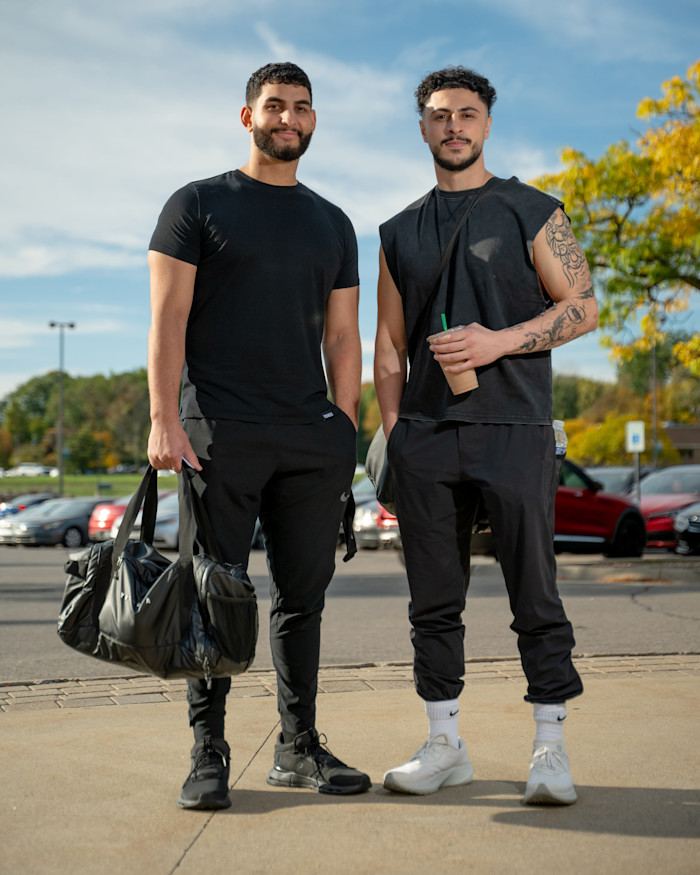
His friend Hussein Ajami, a nurse with roots in Lebanon, said it was not “just about Israel”. “The economy is shit and I live pay cheque to pay cheque,” he said. “But El-Sayed has a vision to make it easier for us.”
There is also some evidence that El-Sayed could win over voters who have not voted Democrat in recent elections. A recent New York Times/Siena survey showed he was performing better with 2024 Trump voters than any other Democratic candidate in a swing state.
He has even won the endorsement of rightwing podcaster Tucker Carlson, who recently described Rogers as a “toady to Israel and an enemy of civil liberties” and said he “wouldn’t vote for [the Republican] at gunpoint”.
El-Sayed told the FT it was “not surprising that there’s this crossover”. “They want America first — I really am America first,” he said. “I don’t think our money should be spent on stupid-ass wars like the one in Iran . . . That’s what [Trump] was saying, and that’s not what he’s doing.”
Dennis Darnoi, a Republican strategist, said there were clear similarities between Trump and El-Sayed. “That message — you know, we’re going to shake things up and throw the bums out — that has resonated in Michigan since 2016,” he said. “There are definitely going to be Republicans who’ll vote for El-Sayed because of their desire to see things change.”