On a sunny afternoon in a shady corner of a Hackney community garden, a small group has gathered. A dozen people, mostly in their 20s, are sitting at a long wooden picnic bench, gazing down at their hands. There’s a faint hum of conversation as they wind white threads around intricate constellations of pins poking out of small cushioned pads.
London Lace Club was founded three years ago by art-school graduates Lauren Watson and Amelia White, who met while working for knitwear designer Katya Zelentsova. The duo hosts meetings every other week in different locations around east London, offering hands-on guidance to those new to the craft. It is one of a number of initiatives – including the Brooklyn Lace Guild and Toronto Lace Club – making lacemaking cool again.

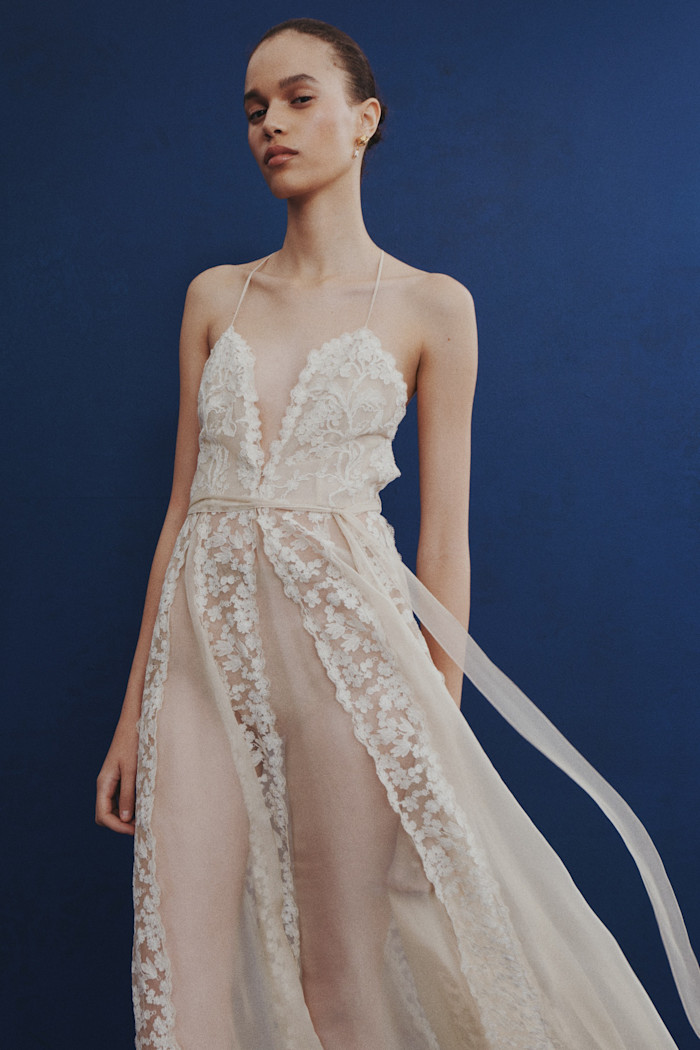
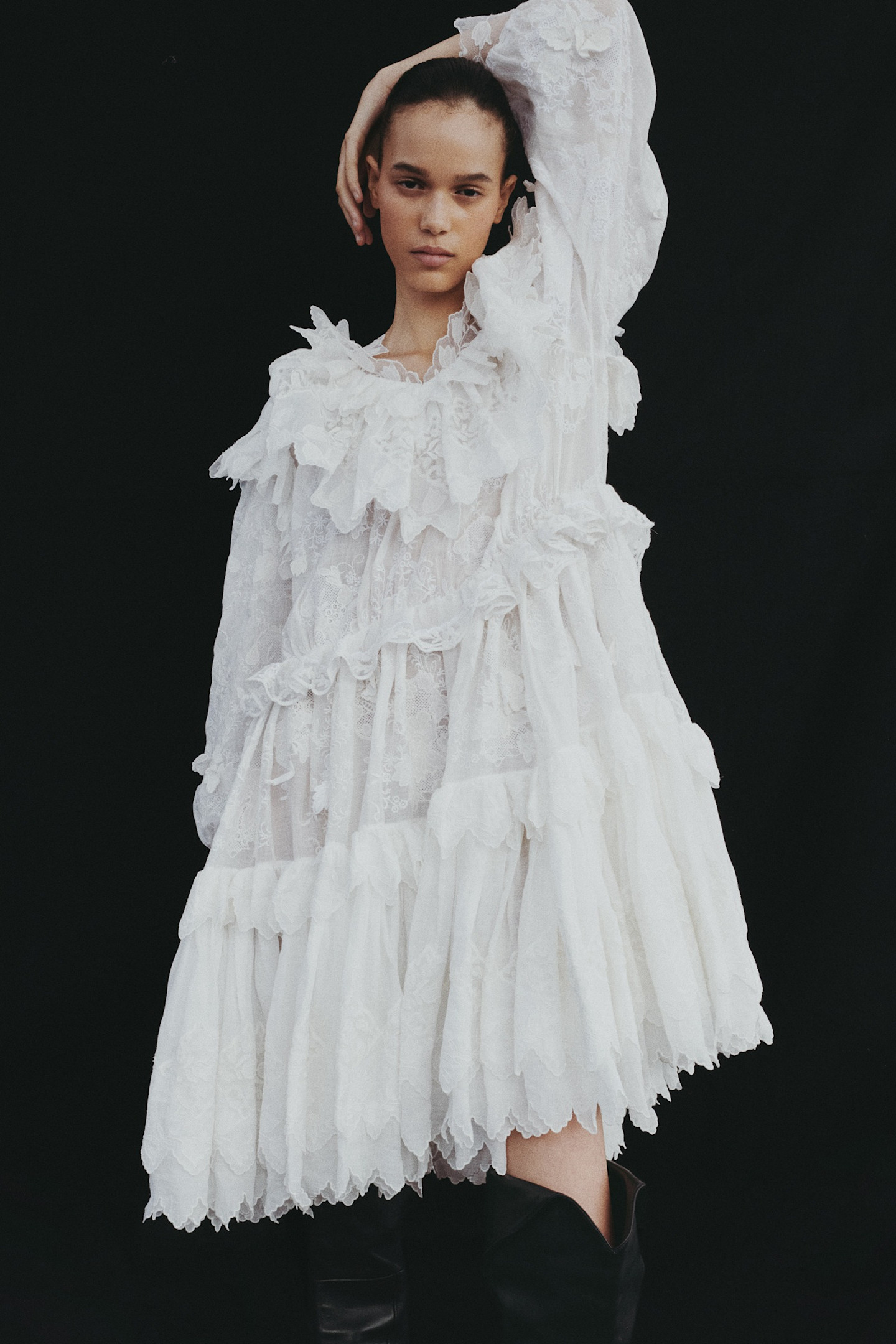
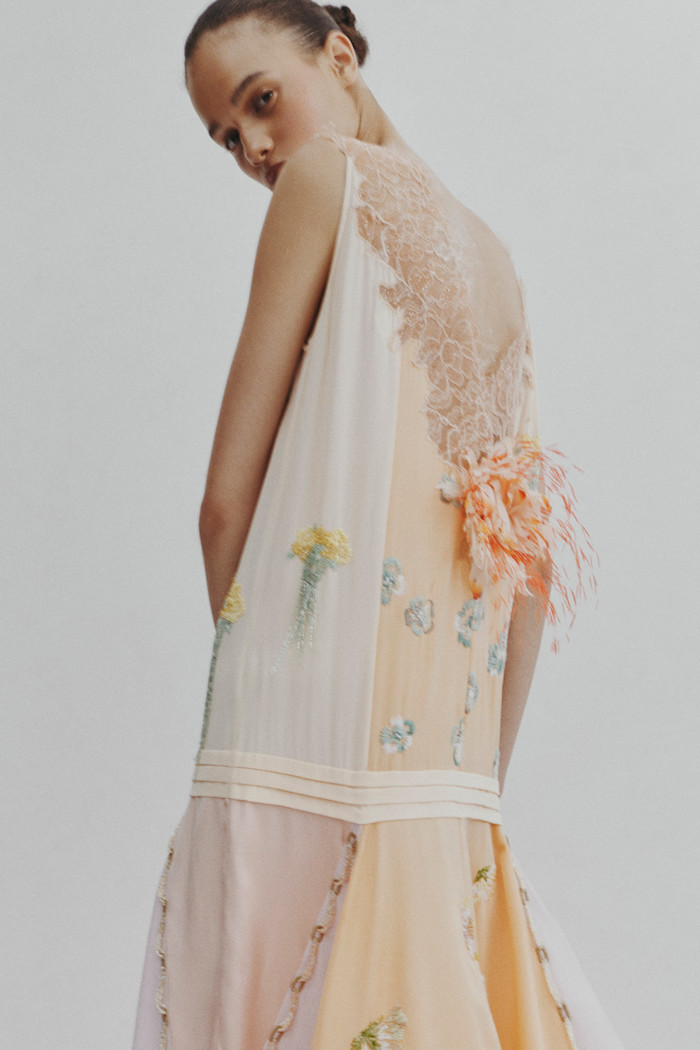
Lacy looks have proliferated of late – from the catwalks of Chanel, Chloé and Fendi to chic table linens (think Laila Gohar’s cult brand Gohar World) and café curtains (textile designer Tori Murphy’s versions are made in Nottingham). At Copenhagen’s 3daysofdesign festival this summer, Warsaw-based handbag brand Chylak teamed up with Danish clothing brand Baum und Pferdgarten to decorate its flagship store with custom-made Polish-lace wall hangings – the largest of which was a 3m-tall arch that took five makers two months to complete by hand.
Traditional bobbin-made lace was one of Europe’s most prized textiles between the 16th and late 18th centuries. Created by twisting and crossing dozens, sometimes hundreds, of threads around wooden bobbins, it adorned aristocratic outfits, church vestments and fine household linens – and commanded extraordinary prices due to the level of skill and labour involved. Its decline began in the early 1800s with the invention of the Bobbinet machine, and today bobbin lacemaking is on the Red List of Endangered Crafts, compiled by the charity Heritage Crafts.
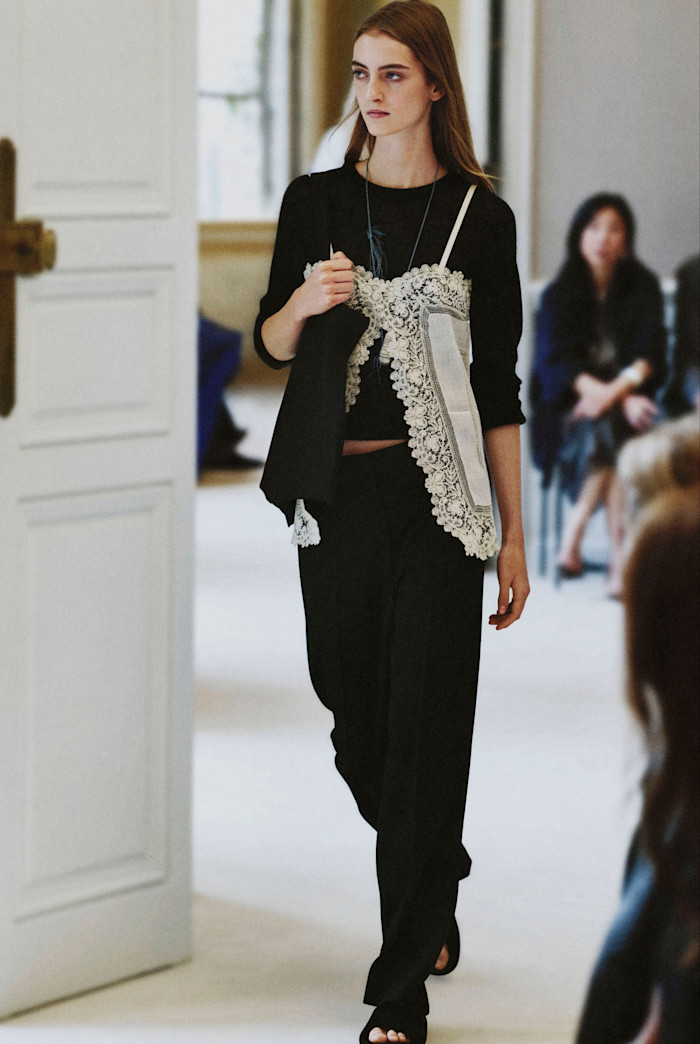
In recent decades, the machine-made lace industry has also faced challenges. “When trade links between Europe and China opened up in the early 2000s, a tsunami of cheap lace flooded the market,” says Romain Lescroart, CEO of Sophie Hallette, a lacemakers founded in 1887 in the northern French town of Caudry whose wares were worn by Jackie Kennedy and Marilyn Monroe. Despite an industry downturn this century, Sophie Hallette continues to craft tulles and laces on 100-year-old Bobbinet and Leavers looms. In 2011, the company was selected to create the fabric for Kate Middleton’s wedding dress – a royal endorsement that sparked a wave of new orders. Today it counts Louis Vuitton, Saint Laurent and Gucci among its clients.
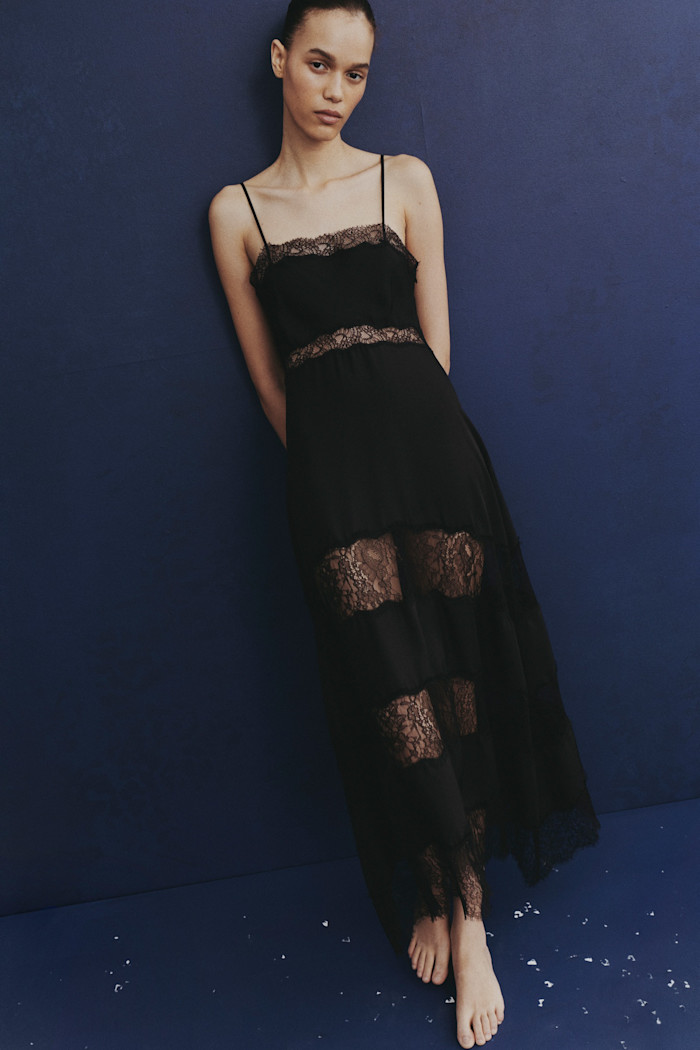
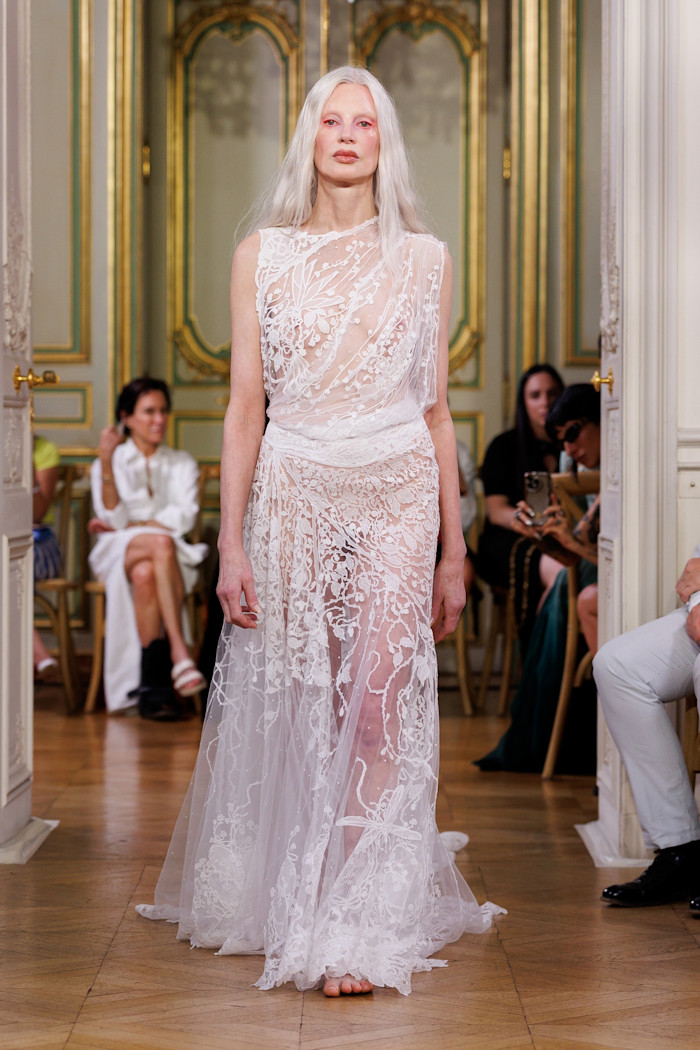
At this year’s Paris Couture Week, however, it was a dress made from Irish lace that drew particular attention. The show for Standing Ground, created by County Clare-born designer Michael Stewart, ended with model Kristen McMenamy in a flowing gown of appliqué lace from the town of Carrickmacross. Lace became an important cottage industry in Ireland in the 19th century. In the town of Kenmare, “they started the lacemaking school [in the convent] in the mid-1800s to provide employment for the local girls”, says Nora Finnegan, a retired local art teacher. She set up the Kenmare Lace and Design Centre in 1992, convincing the nuns to pass on their skills. Visitors will find displays of antique laces and can buy handmade pieces made to original 1800s designs (from €195).
Contemporary artists, meanwhile, are subverting the traditions of the craft. Australian creative Maggie Hensel-Brown uses traditional needle lace techniques to craft whimsical tableaux of modern life. A new series by Beijing-born, London-based Jingyi Li conjures suggestive images of women in filet lace, painstakingly crafted by weaving with a needle through grids of strings. “It usually has some kind of heavenly pattern on it: angels, flowers – that sort of thing,” she says. “People are trying to create a fantasy world inside the lace.”
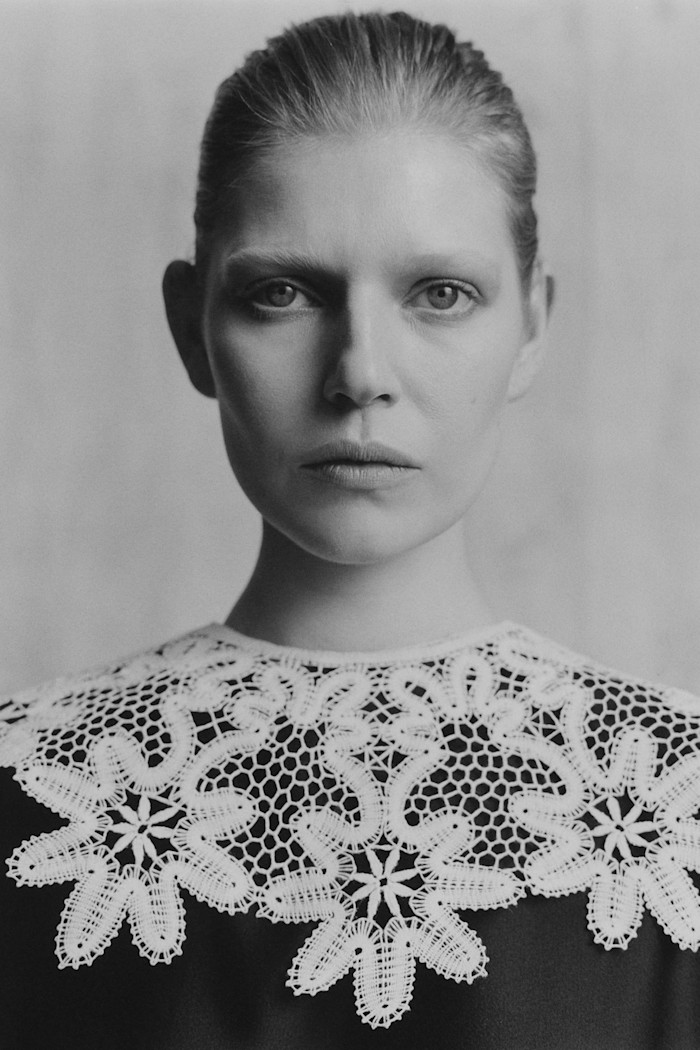
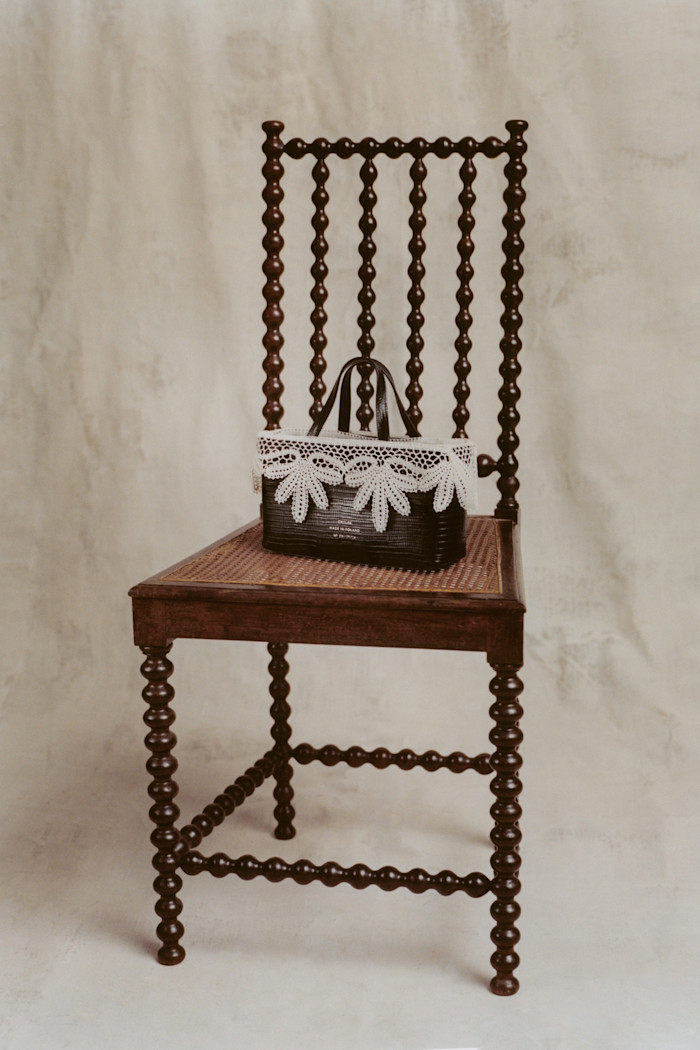
Zofia Chylak, founder of the namesake brand, works with the lacemakers of Bobowa, a town in southern Poland once home to a famous lacemaking school. Her intricate bobbin-lace collars (£570), cuffs (£320) and aprons (£545) are part of a wider mission to highlight Poland’s folk-art tradition. “It was something we associated with our grandparents,” she says. “It took many years for us to understand that it’s the last moment to learn from the people who still know how to make things.”
Sophie Hallette employs around 200 people, but recruiting a new generation of workers isn’t easy. “We’ve been running recruitment drives. We’re working hard to preserve this know-how, because if we don’t the industry is going to suffer greatly,” says Lescroart. In 2020 in Kenmare, 150 years since the arrival of the convent, Finnegan ran workshops in local schools teaching children how to make small sections of lace. “Young people will sometimes come into the centre and show me these beautiful things they’ve made by watching YouTube videos,” she says. “This gives me a lot of hope for the future.”