Is there such a thing as masculine style? In one sense the answer is obviously yes. Even as the overlap between how men and women dress has increased dramatically over the past century or so, and unisex clothes have become fairly standard, the average man and average woman in our culture still dress quite differently.
At a basic level this is mostly visible in things that women often wear but men still rarely do — dresses, high heels, blousy tops, make-up. Modern masculine style, in this boring sense, has come to mean simply avoiding wearing those things.
At a subtler level, however, it’s not about which items are worn, but the way they are worn. In tailoring, there is the difference between cuts to emphasise the width of the shoulder versus the shape of the waist and hips. There are also recognisable gender codes in the weight, colour and pattern of materials — heavy/dark/geometrical on one hand, lightweight/colourful/organic on the other.
All of this admits of loads of interesting exceptions, but we know the spectrum is there. There is a certain sort of man — Pete Hegseth leaps to mind — who will prove the point by twisting every dial as far as it will go to the manly end (though, to be fair, the attention Hegseth clearly lavishes on his hair is quite gender-ambiguous).
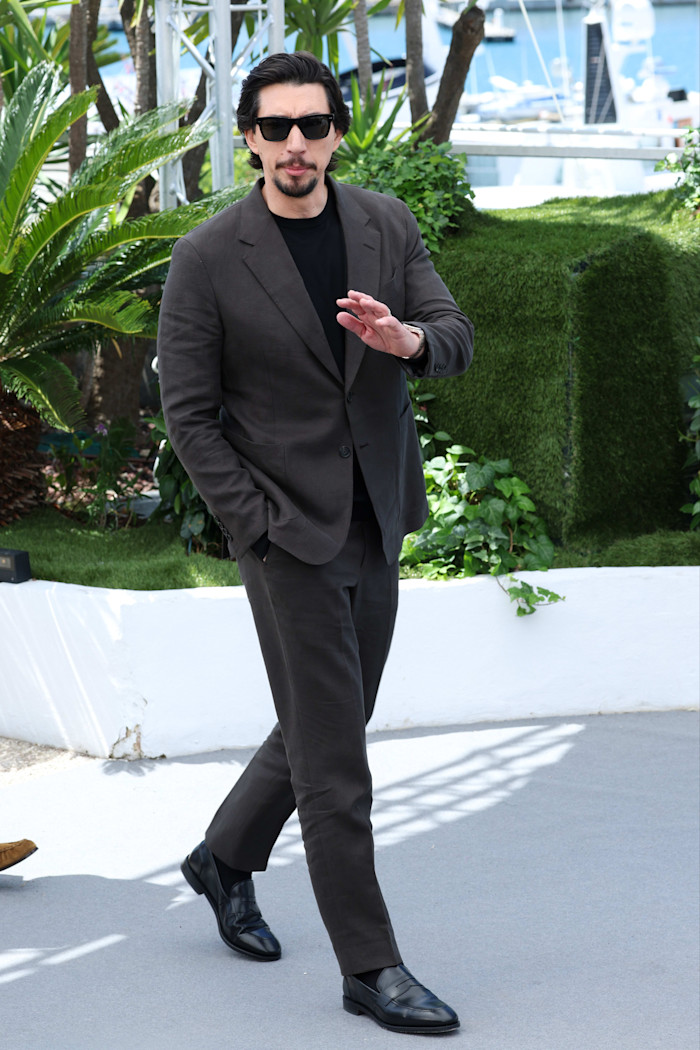
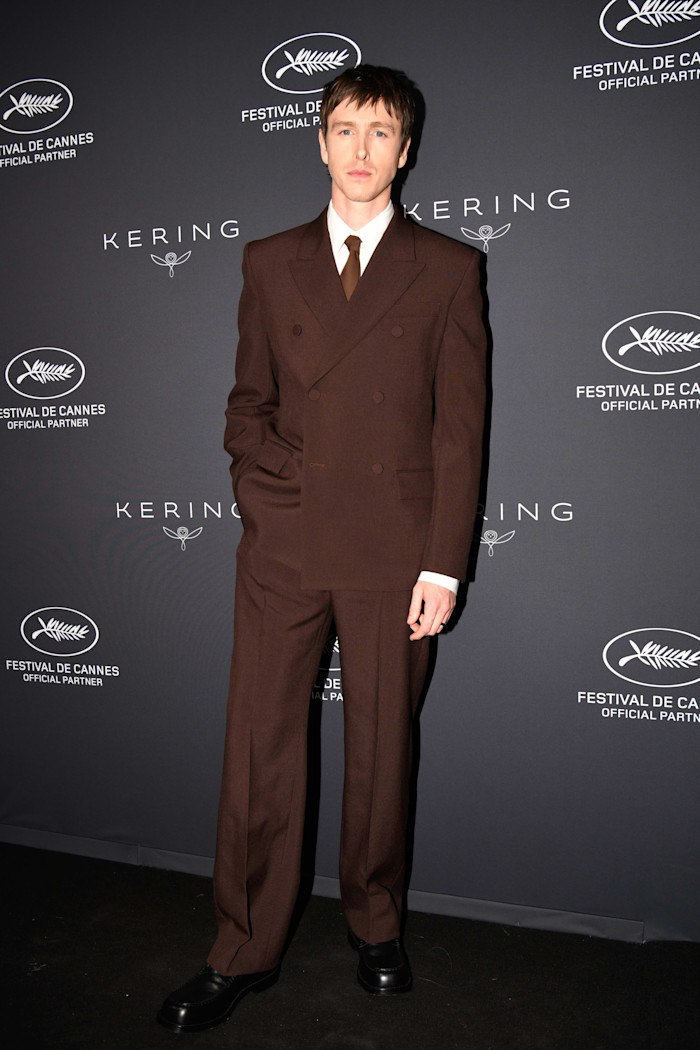
I’m talking about something that is a little harder to grasp: “masculine” as a term of aesthetic categorisation, and more specifically of praise. This is captured, rather messily, in the contrast between “handsome” and “pretty”. What draws the distinction in the realm of clothes? And is it still powerful enough to excite or offend us? If you think these questions are easy to answer, pause here and spell out your views. You’ll find it hard, and not just for woke-y reasons. This stuff is tricky to pin down.
Part of the reason is that one of the standard moves of women’s style has been, for decades, to adopt things that were previously coded as masculine, for the precise reason that they were coded that way. Heavy boots and leather jackets worn with a skirt, slouchy “boyfriend jeans”, untucked Oxford shirts, the whole Annie Hall arsenal.
Why this works is obvious enough: adding something stereotypically masculine emphasises the feminine. And everyone knows that a little androgyny is a big turn-on. As Susan Sontag has it, “What is most beautiful in virile men is something feminine; what is most beautiful in feminine women is something masculine.”
What is surprising is that so many men have not figured out how to make this most basic move in the style game successfully. Two prominent exceptions to this I can think of are traditional manly types who like to use the colour pink (the FT recently noted that footballers have latched on to this), and bullfighters’ chaquetillas and taleguillas. The fad for very skinny jeans on men may also have plugged in here, but it didn’t last.
I don’t know what the reason for this is, but whatever it is probably helps explain why, while there are many items that history has ported seamlessly from the male to the female wardrobe — trousers, business suits — there has been very little travel in the other direction (jewellery does seem to be migrating that way, a bit). One could fall back on some reductionist drivel about male insecurity, I suppose.
All that said, and acknowledging how slippery this terrain is, I do think there is masculine style. Without trying to be even approximately comprehensive, I think that when we praise an outfit as masculine, we are talking about at least four things.
Masculine style is understated, rewarding a close look but not demanding one. It is traditionalist, up to a point — sharp without ever being too au courant. And it leans on materials that have a certain amount of texture, body and weight, which harmonise with the fact that men are (mostly) the meatier of the sexes.
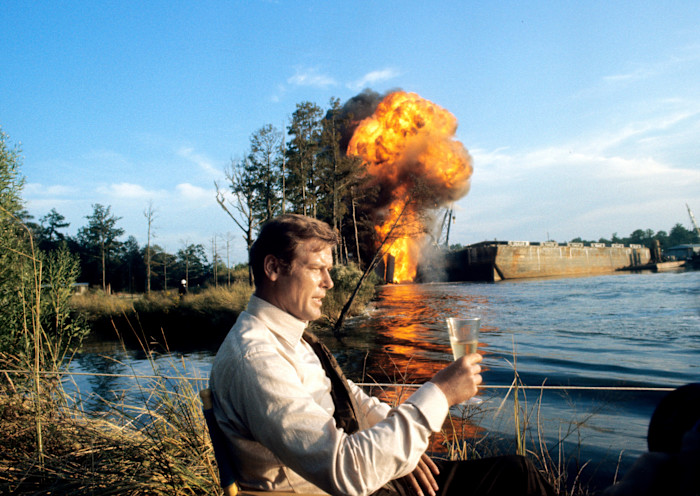
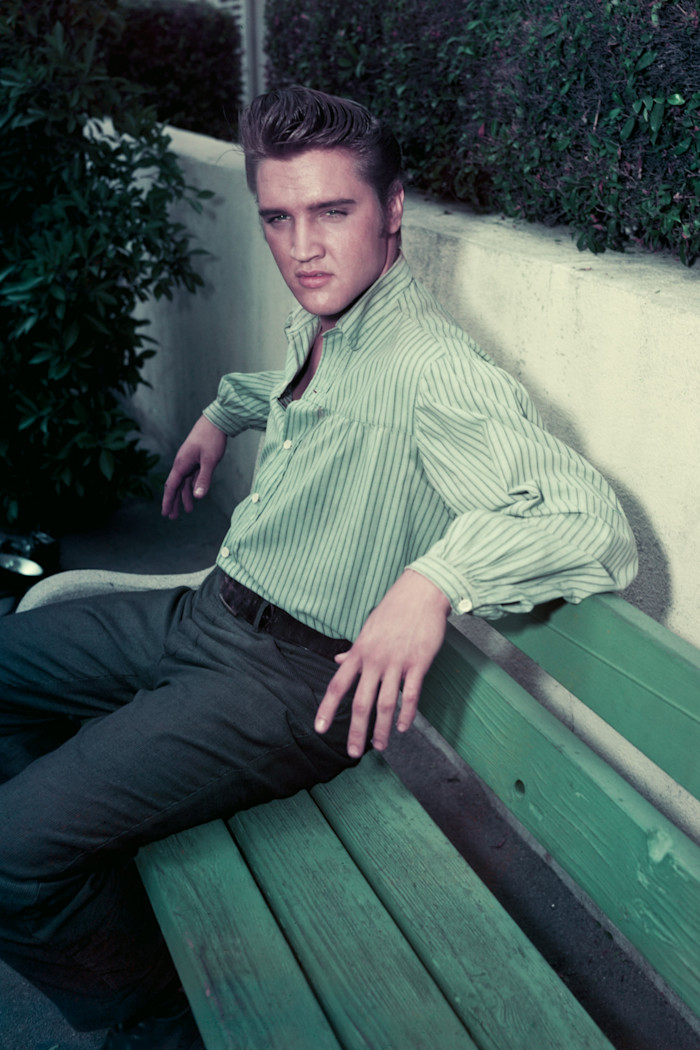
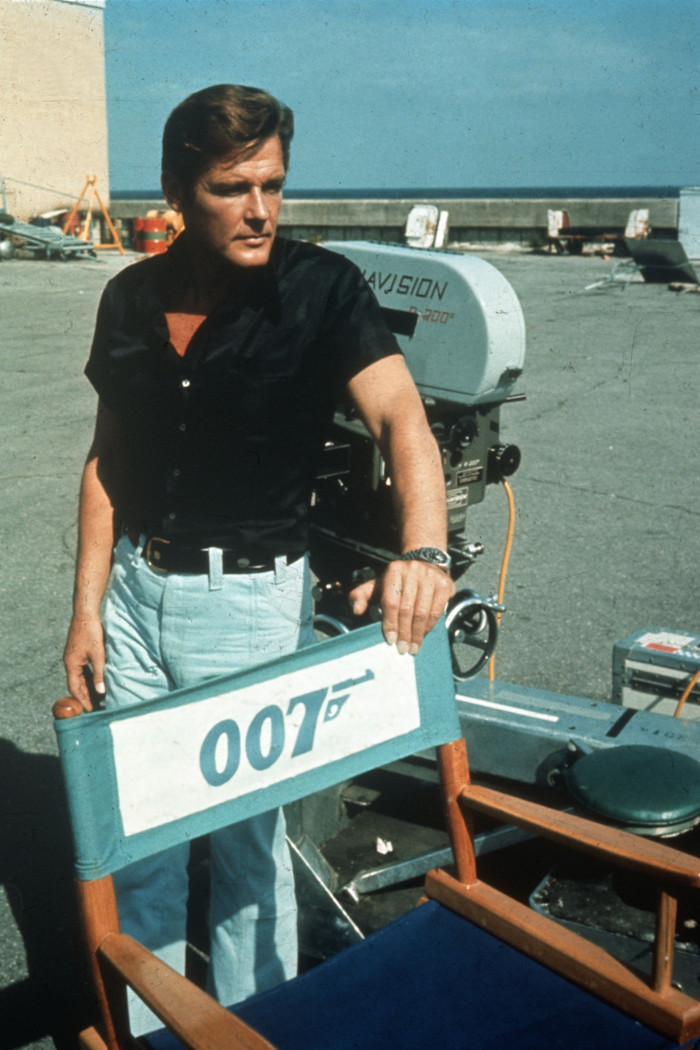
Finally, to take up Sontag’s point, a really good masculine style is flavoured with a touch of the opposite of all of these things. It always has a little something feminine mixed in with it. It is this bit that gives interest and creates an aura of easy confidence — of manliness, in short. Think, for vivid examples of this, of Roger Moore’s very pretty Bond, or the young Elvis.
The point is not that men must have a masculine style, or that women mustn’t. Happily, we have moved beyond that as a civilisation. The point is that there is a masculine aesthetic, and while it is elusive, it’s meaningful and attractive, and can be part of everyone’s arsenal.
Anyone who pays attention to these things doesn’t need to be told that this is so. What is interesting is how and why it is so, given that it’s a moving target, and after three or four generations during which the lines have been blurred and redrawn.
Follow us on Instagram and sign up for Fashion Matters, your weekly newsletter about the fashion industry