Along with many FT readers, I have reached an age at which no one who sees me questions whether I am legally entitled to buy alcohol. So it feels like a waste of everyone’s time that an alert flashes when I reach a self-service till at a supermarket with a bottle of wine in my basket and an assistant must walk over to approve the purchase.
This shopping ritual, which absorbs a collective 5.8mn hours of customers’ time in the UK each year according to one Home Office calculation, could soon be eliminated. Adults who download a government-approved digital age verification app to their phones will instead be able to swipe a QR code to authorise themselves.
Digital age verification through apps offered by start-ups such as Yoti and Luciditi became legal last month. Young people who must prove they are allowed to buy alcohol in pubs and clubs will be able to do so without displaying their full identities. These face-verified apps show only a photo, a QR code and confirmation of being over 18 (or 25) to protect privacy.
One small step for age verification is a giant leap for digital ID. One of Andy Burnham’s first moves as prime minister was to drop a £1.8bn plan to create an official UK digital identity scheme, which would have been mandatory for those having to prove their right to work. Nearly 3mn people signed a petition protesting that it would infringe civil liberties.
Demand for digital ID is growing, even if the state cannot satisfy it. Proof of identity is needed for many things, including opening a bank account or visiting many City of London offices. It should be easier to do so digitally, rather than having to carry or scan a driving licence or passport. A new British growth industry is filling this gap.
About 275 companies with total annual revenues of £2bn now offer UK digital identity services, from employment and right-to-work checks to age verification for video gaming, gambling or buying tobacco. “Regulation is driving demand,” says Robin Tombs, Yoti co-founder and chief executive. The government now plans to impose a social media ban for under-16s from next year.
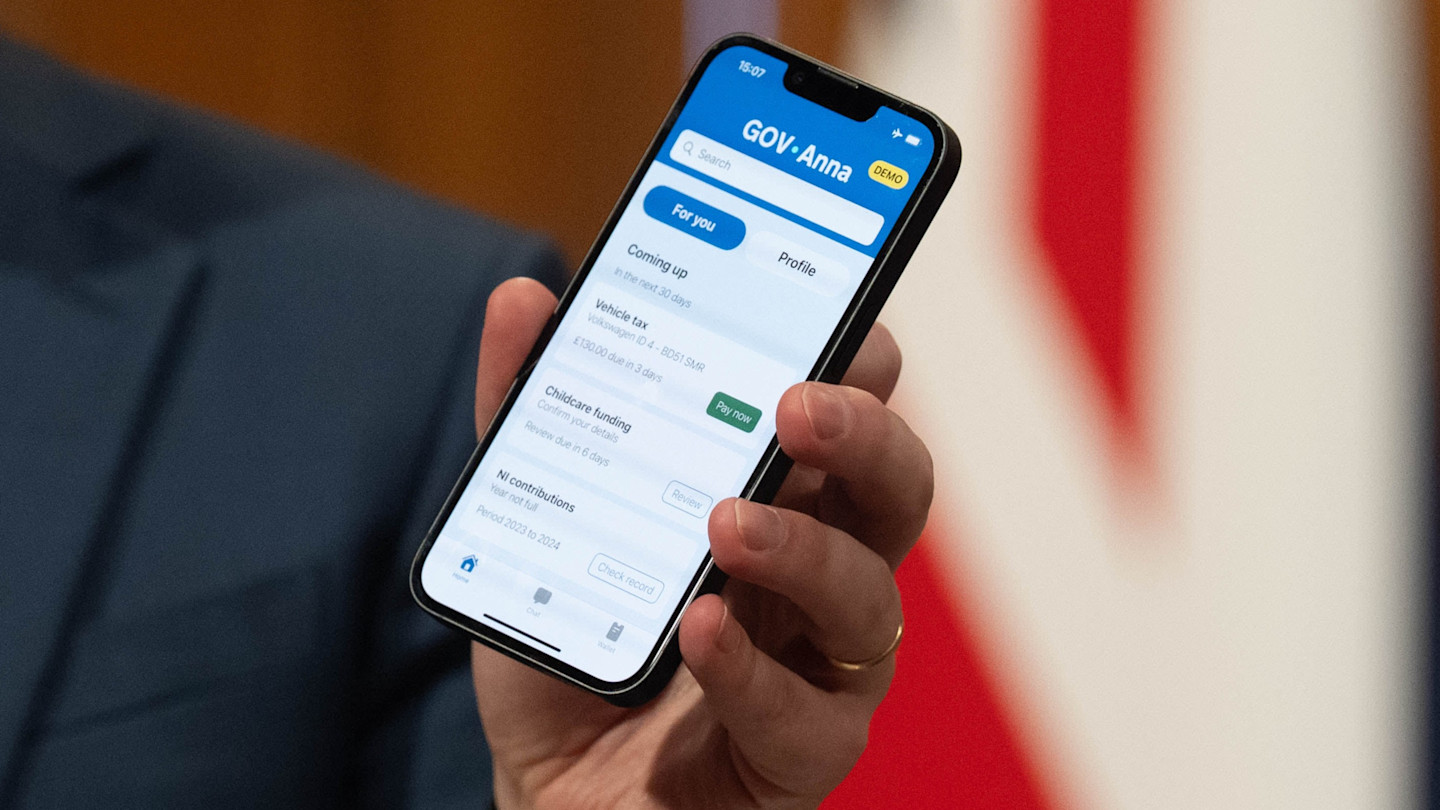
Britain has not wholly abandoned the development of official digital ID. The government is building a platform for people to sign on to its services online with verified identities. It is also developing a wallet that will let people hold digital versions of their official documents: this now accepts military veteran cards and driving licences are coming next.
But the UK also made a smart decision six years ago to build a trust framework for private companies that provide digital verification services. Instead of monopolising the market, it let companies build applications that complied with its security and privacy standards. This started under Boris Johnson and continues under Burnham.
That approach was far-sighted. It enabled the development of digital ID and verification services to continue despite reversals in government policies on identity cards, which reach back decades. It also encouraged innovation, such as the choice given by Yoti (and the Post Office’s EasyID app that uses its software) of how much information a user shares.
These start-ups must convince people that they can keep secure personal data such as the encrypted passport scans used to register users. They undergo security audits to remain on the UK’s approved register but face the wider backlash against tech companies. Yoti was fined €950,000 by Spain’s data protection agency this year over its use of facial recognition for authentication and is appealing.
Digital ID also needs to reach a societal tipping point, where so many people use the apps that they are widely adopted by businesses. That is still some way off, although the Yoti app has been downloaded 8.9mn times in the UK. Yoti took more than a decade to gain traction after it was founded in 2014; its revenue rose by 58 per cent to £32mn in the year to March.
Private enterprise has already helped Britain to gain a strong position in an emerging technology: more than 60 per cent of the sales of UK-based digital ID companies are international, a government study found. Phil Young, co-founder and chief technology officer of Luciditi, compares the advance of digital ID with touch payments.
“People will stop carrying physical ID one day. It is going to happen,” Young says. Burnham has retreated but the demand has not.