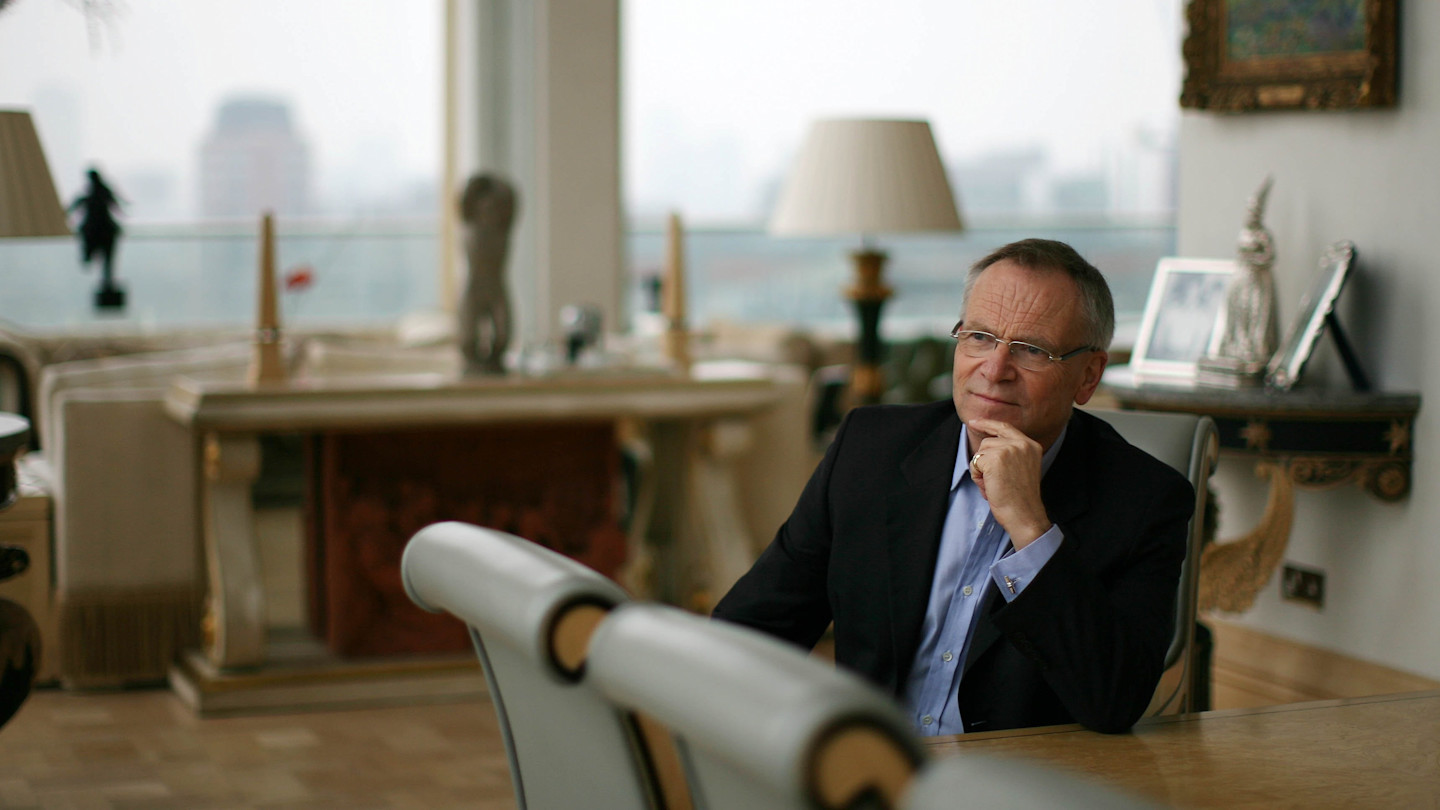
Jeffrey Archer’s public life was defined by headline-grabbing scandals, bouts of outright charlatanry and almost comically gigantic publishing success.
His character — part bumptious cricket-loving schoolboy, part barking major general — was best summed up by his steadfast wife Mary. She admitted, after Archer found himself in yet another spot of bother, that her husband “has a gift for inaccurate précis”.
Archer, who has died aged 86, led a bustling life as a Conservative politician and one of the bestselling novelists of the past half century. He claimed to have sold more than 300mn books in more than 100 countries.
His beloved Margaret Thatcher, to whom Archer provided entertainment as a kind of modern-day political court jester in the 1980s and 1990s, called him the “extrovert’s extrovert”. Ringo Starr, encountering an earlier version of Archer in the 1960s, described him as “the kind of bloke who would bottle your piss and sell it”.
Archer was born in north London in 1940. He would later give misleading accounts of what his father, William, did. Was he, as his son variously claimed, a British consul, an army officer “who went through the fall of Singapore”, a sergeant in the Somerset Light Infantry in 1914?
No, no and no. William Archer was later revealed to be a convicted fraudster and bigamist. Archer’s mother Lola was a journalist who wrote a weekly column for her local paper in Weston-super-Mare, where Archer grew up. Her Weston Mercury writing offered insights into the man her son would become: “I’m never sure what my 10-year-old will be up to next.”
Bullied at school for being short, Archer transformed himself into an athlete. “The Pune”, as he was tauntingly known by other boys, became an Oxford Blue who represented England and Great Britain as a sprinter.
An “inaccurate précis” had smoothed Archer’s way into a teacher training course affiliated with Brasenose College: he allegedly invented academic qualifications to get into Oxford.
Reflecting on the enigmatic nature of his origins in 1998, Archer wrote, “Yes, I was young once, and, yes, I have made a number of mistakes in my life. I’m neither genius nor saint.” He admitted that his father didn’t win the Distinguished Conduct Medal, and that his grandfather was never the Lord Mayor of Bristol.
After success as a student fundraiser and marriage to Mary in 1966, Archer entered politics with a seat on the Greater London Council in 1967. By the end of the decade he was a Tory MP in Louth, Lincolnshire, and became Britain’s fourth youngest MP.
He resigned from parliament in 1974 when he was declared bankrupt after an investment in a Canadian company, Aquablast, misfired.
Faced with an overdraft of £427,727, Archer decided to reinvent himself as a man of letters. His first novel, Not a Penny More, Not a Penny Less, appeared in 1976. Subsequent titles such as Kane and Abel and The Clifton Chronicles were also bestsellers. Archer’s homes included a Thames-facing penthouse, an 18th-century vicarage once owned by Rupert Brooke and a clifftop writing eyrie in Mallorca.
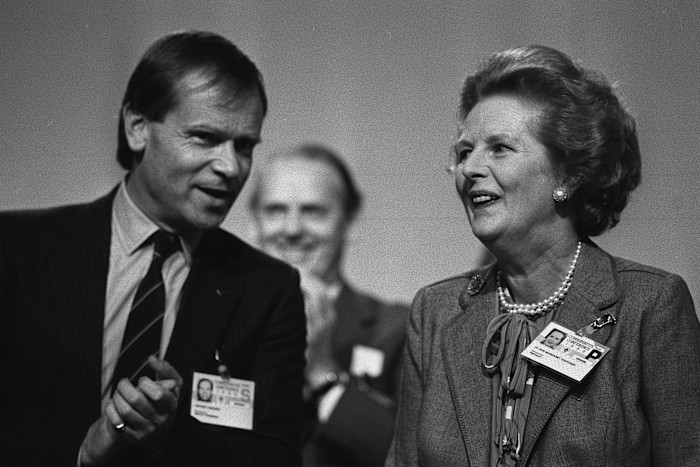
Archer’s by-the-bootstraps ascent back into the public eye made him Thatcherism’s poster boy in the early 1980s, a living embodiment of the Tory ideal of self-reliance.
Despite being warned that he was “an accident waiting to happen” by her deputy Willie Whitelaw, Thatcher appointed Archer deputy chair of the Conservative Party in 1985. He resigned 13 months later, after it was reported that he paid off a sex worker, Monica Coghlan, to the tune of £2,000.
Archer cleared his name through the courts in 1987, a process that saw a judge wonder why the author would have needed “cold, unloving, rubber-insulated sex in a seedy hotel room”.
He was ennobled by John Major in 1992, a time when an invitation to Archer’s champagne and shepherd’s pie Christmas parties was one of the most coveted in London.
But in 2001 Archer was found guilty of perjury and perverting the course of justice at the 1987 trial, in effect ending his political career, which had been reborn yet again with a tilt at the London mayoralty.
He served two years in prison. Archer wistfully mentioned the characters he met inside in later interviews, including an unfortunate heroin addict (“two years later he was found dead in a hedge”). Loyal friends, including Thatcher, helped rehabilitate him upon his release in 2003.
Archer inspired as much suspicion as loyalty throughout his life, although later years saw a softening of his public image. In 2023, he called time on the Christmas parties.
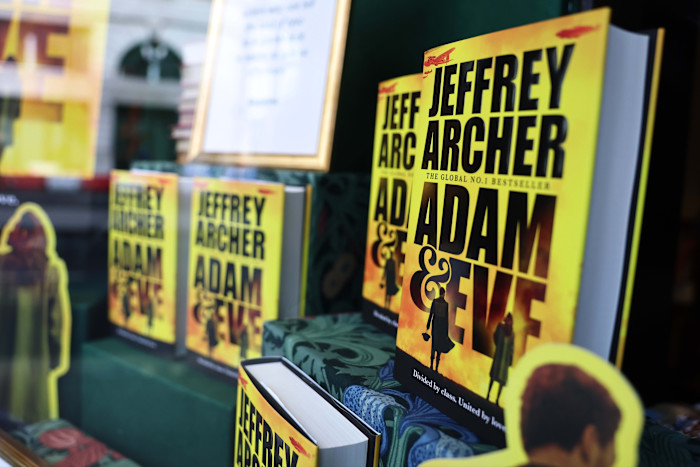
He described his latest novel, Adam and Eve, as “the best book I’ve ever written” in a BBC interview on Sunday, as part of a relentless promotional push. Archer’s last days were spent doing what he did best: publicity.