Angeliqué’s videos often begin with a sneer.
Angeliqué, who only goes by her first name, appears to be a sales assistant. She can be seen on TikTok and Instagram speaking in a thick French accent while simultaneously grimacing and pushing her black chin-grazing bob behind her ears. “Zerr is only one left in zeu staure” is the kind of thing she would say smugly in an exaggerated French accent, when asked if a style is available in store in additional sizes.
The catch is that Angeliqué does not actually work in retail, nor is she real. She is a recurring skit character created by Mouhamed Niane, who in April began portraying a pretentious salesperson in Paris, where he is based.
This isn’t his first trending character. When Niane first joined TikTok in 2020, he created viral videos humorously imitating Lebanese accents, French-Arabic code-switching, and the private school social behaviours that he encountered while growing up. (Niane is Senegalese, but was born and raised in Syria and Lebanon, before moving to France.)
Video description
A skit featuring two pretentious sales assistants in an upmarket Paris boutique
Niane’s skits, which feature Angeliqué reluctantly picking up shifts at a fictional upscale boutique and asserting dominance over those around her, aim to poke fun at the elitist nature of luxury fashion. It’s a world that Niane is immersed in as a high-fashion model. His most watched-comedic videos have amassed millions of views online.
Niane — whose affable demeanour is nothing like his character, Angelique — says the idea was born out of a Halloween costume. “I had this wig lying around. So I thought, why not play around with it? I put it on, set up my camera and this character just took over me,” he says. “I didn’t even think people would really like it, but they did, so I decided to give the character a story and kept making these skits.”
Niane is among a wave of content creators whose character skits have taken off on social platforms like Instagram, TikTok and YouTube. See, for example, quirky personalities like “Gstaad Guy”, the online persona parodying the lives of the ultra-wealthy, or “Bus Aunty”, as Bemi Orojuogun, a London-based nurse, has been affectionately dubbed for her joyful videos featuring London’s red double-decker buses.
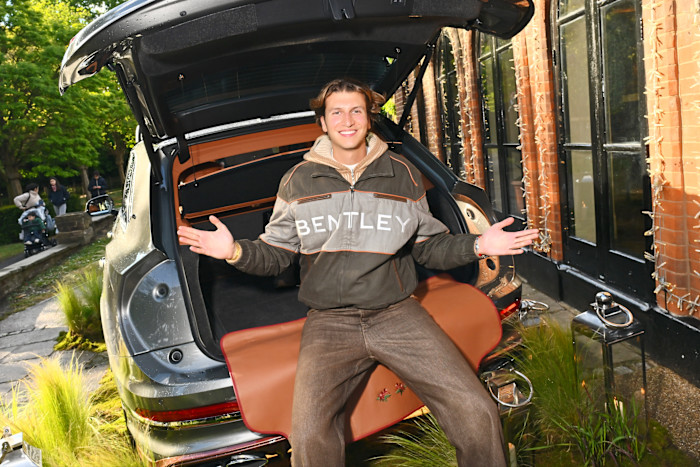
These creators mark a shift away from the photo “dumps”, tutorials or unboxing videos that have historically dominated fashion and beauty social feeds. Their burst of online stardom has enabled them to swiftly work their way up fashion’s exclusive ranks and sign paid partnerships with big brands. On, and Axel Arigato are among those that have collaborated with Niane on marketing campaigns in recent months. Bus Aunty starred in Burberry’s “Back to the City” campaign in August 2025, while Gstaad Guy is an ambassador for Loro Piana and Bentley .
“Scripted skits are the best of Instagram. [These are] creators that people feel genuinely connected to, playing characters they love and come back to like a show,” says Eva Chen, vice-president of fashion partnerships at Meta.
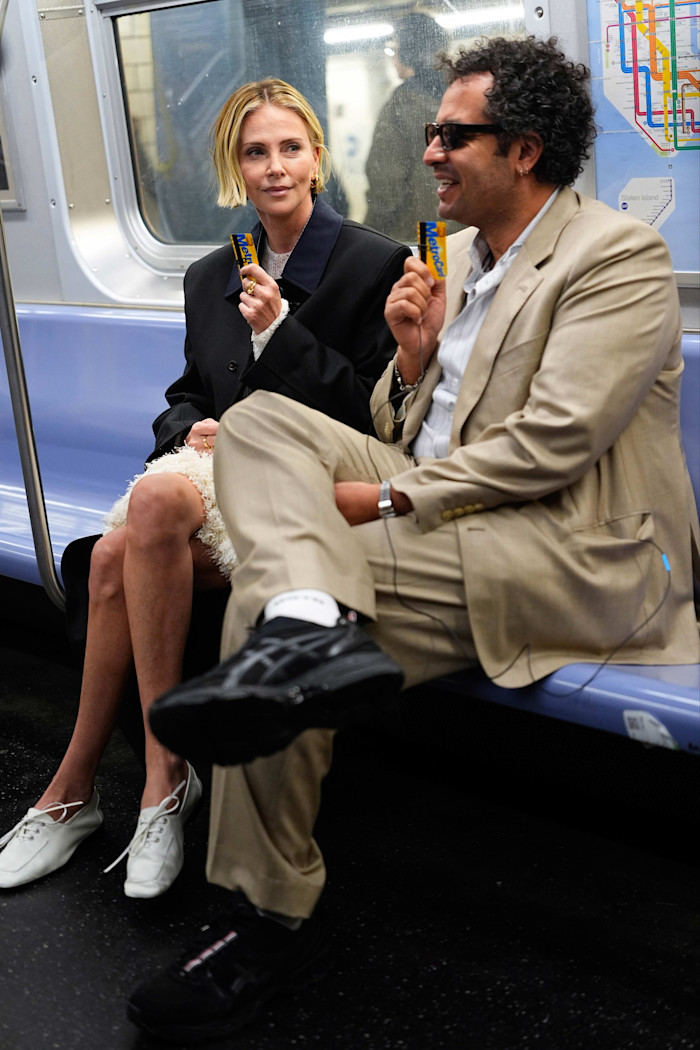
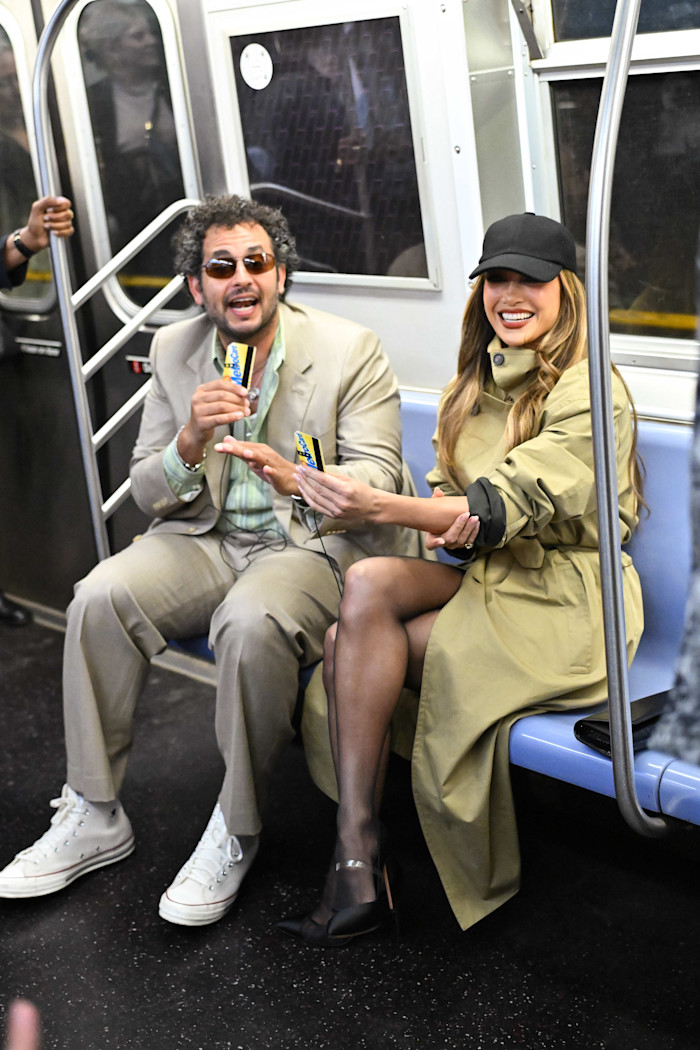
Some creators have taken the notion of a repeatable format further by creating scripted shows. Millions of followers tune into “Subway Takes,” the internet talk show co-founded in 2023 by Kareem Rahma. The premise is that Rahma rides the New York City Subway and asks his guest, “So, what’s your take?” prompting them to share a strong, weird or funny opinion. Sometimes his companion is a Hollywood celebrity such as Cate Blanchett; other times they’re fashion industry insiders like model Alex Consani or Alexa Chung.
Elsewhere, former writer Dylan Kelly pivoted his career into content creation with his viral “Walk With Me” social media series. Launched in summer 2025, the videos show Kelly walking down city streets while talking directly to the camera and offering fashion history titbits. By early 2026, the format had evolved to include guests such as Tommy Hilfiger, Lily Allen, and stylist and fashion editor Carine Roitfeld sharing personal style anecdotes with Kelly.
“When Instagram first came out, it was exciting because it felt so authentic and fun,” observes Peter Knell, who previously worked for IMG and ITB Worldwide before founding Knell, a business development and partnerships agency specialising in talent and brand deals. But over time, the editorial voice of magazines — and increasingly influencers — became heavily watered down online, driven by the pressures of keeping advertisers happy and satisfying algorithmic demands, he says. While scripted personalities or scenarios are by their definition manufactured, there is still a “comfortable familiarity” about them, says Knell. “You still feel close to them through the format.”
Parallels can be drawn with reality television, where familiar formats offer viewers a low-stress way to relax. In Chen’s view, young people simply want to be entertained. “Where TV used to be a ‘must-see,’ now it’s video on Instagram,” she says. Instagram began testing a new “Series” feature this summer that allows users to group their video posts into episodic collections on their profiles. By turning what would be separate clips into numbered episodes, the goal is to bring audiences back repeatedly and build stronger viewing habits by “making it easier to follow along,” says Chen, as if one is binge-watching a Netflix series.
H&M’s global art director and social creator Johan Mott says he took inspiration from Saturday Night Live, the US comedy series that led him to commission Niane. Throughout August and September, Niane created a series of skits portraying Angeliqué working shifts at its flagship store in Paris’ Le Marais — a different approach to H&M’s usual way of working with influencers to explicitly promote a product. “We’re very aware that on TikTok or Instagram, we’re competing with cat videos and [other viral content] like the grandma who opens a Coke bottle that explodes,” says Mott. “In fashion, things tend to get too serious sometimes, especially nowadays when everything is polarising. By injecting humour, I think that makes it more relatable. It doesn’t feel like an ad.”
But what happens when the joke runs its course? Sabrina Bahsoon, aka Tube Girl, captivated millions by dancing confidently on the London Underground. Jools Lebron dominated global vernacular with the satirical catchphrase “very demure, very mindful”. At their height, Bahsoon attended fashion weeks and collaborated with brands like Valentino, Tiffany & Co and Hugo Boss, while Lebron cashed in deals with Verizon, Lyft and Netflix. (According to Lebron, her individual sponsorships brought in tens of thousands of dollars per post, with her highest offer reaching up to $85,000.) However, interest in both creators has been declining due to factors including audience fatigue. Both influencers have also spoken about mental health struggles from the intense online scrutiny.
Video description
A young man in a variety of luxurious surroundings, talking about undesirable habits of the rich
With the lifespan of an internet celebrity shorter than ever, long-term sustainability has become the ultimate challenge in the creator economy. The snooty Angeliqué still generates plenty of laughs — and positive engagement, according to H&M — but Niane feels the pressure to stay relevant and is evaluating his next moves: “The idea of Angeliqué just snowballed and I’ve been working nonstop. But I do worry that it might just one day be over.”
Niane’s adaptability might see him through. “Even if Angeliqué fizzles out, it doesn’t matter. I don’t want to drag her too far,” he says. “For now, I’m enjoying the moment, but I’m also thinking of my next character. I’ll keep reinventing myself.”
Follow us on Instagram and sign up for Fashion Matters, your weekly newsletter about the fashion industry