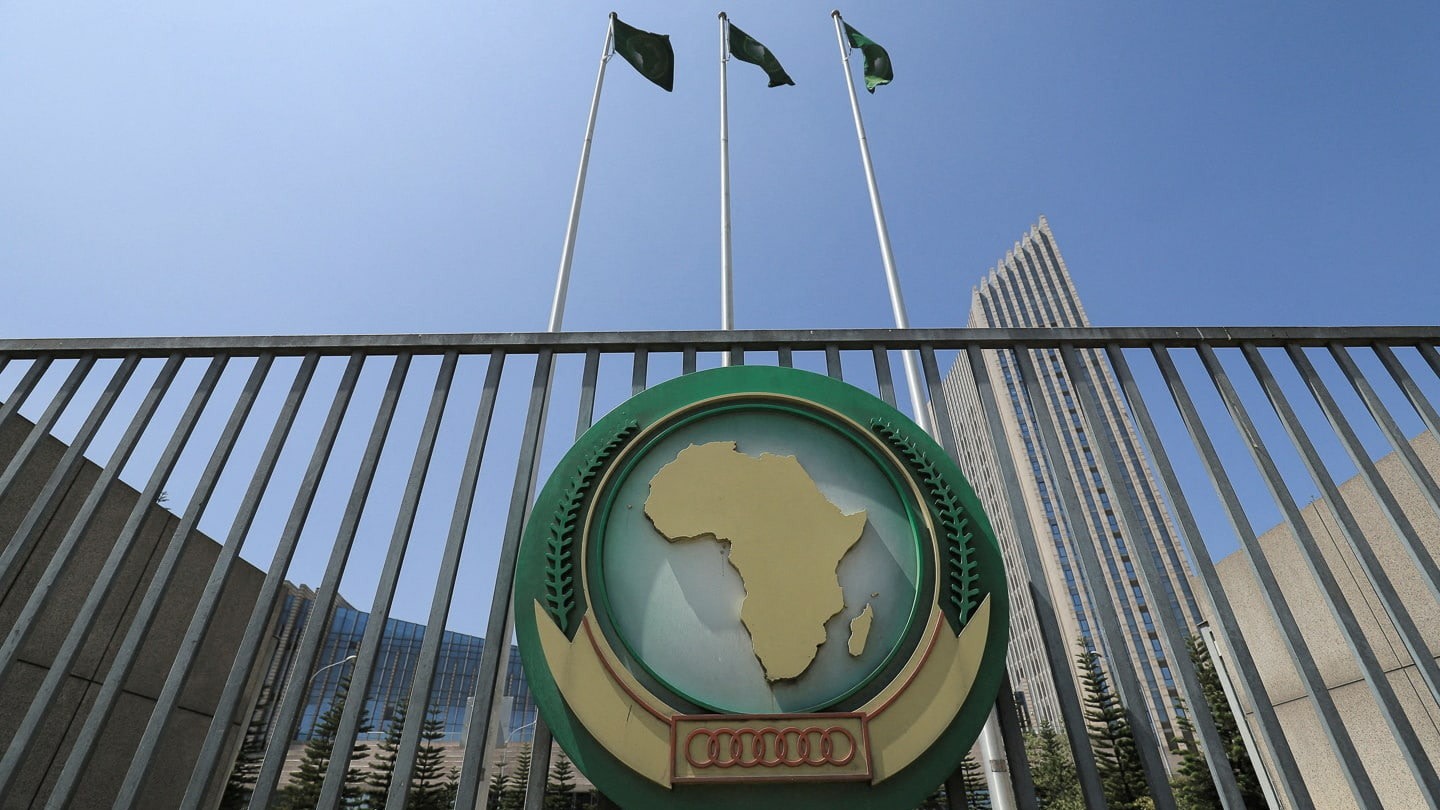
This week, with some fanfare, the African Union launched the Africa Credit Rating Agency (AfCRA). After years of complaining that African sovereigns, corporates and projects pay too much for loans and that lending to the continent is stymied by false perceptions of risk, the new Mauritius-based agency will have a chance to prove Africa’s sceptics wrong.
Africa attracts roughly 1 per cent of private global equity despite accounting for about 3 per cent of global output and trade. Even that understates the gap between the continent’s huge funding requirements and the availability — and crucially cost — of capital.
It will not be easy for a new credit rating agency to change perceptions of risk. Both China and Europe have sought to create or encourage rating agencies of their own to counter the “big three” US firms — Moody’s, S&P Global Ratings and Fitch Ratings — which account for 95 per cent of global ratings by outstanding debt. They have made only limited inroads mainly because it takes years, if not decades, to build credibility. That is particularly so if the suspicion is that the raison d’être of Africa’s new agency is to provide more favourable ratings to cut the cost of capital.
The existence of an “Africa premium” is debatable. African governments have argued that they pay more for loans than countries with similar risk profiles. But it is hard to say how much of this is due to prejudice or ignorance and how much to real questions about transparency, quality of data and concerns over abrupt policy changes. Nor are the claims and counterclaims easy to disentangle since lower ratings can lead to higher lending costs and thus a greater chance of default, in what amounts to a self-fulfilling prophecy.
If nothing else, an African agency can help foster deeper capital markets by rating debt not covered by the big three. There is an estimated $4tn in domestic capital pools in Africa, including pension, insurance and sovereign wealth funds, but much is recycled through short-term government debt. Little goes to risk capital. African governments have complained that the big three agencies lack on-the-ground expertise and engage in what they have disparagingly called “desktop exercises”. Here too, the AfCRA can plausibly fill a gap by producing more granular data.
Still, it will not be easy to overcome the suspicion that Africa simply intends to mark its own homework. To allay such doubts, ratings must be scrupulously objective with entirely transparent methodology. A readiness to downgrade a powerful borrower, if it were merited, might send a potent signal.
The AU has made clear that the AfCRA will have no government ownership. That is good. The merest hint that the new agency is beholden to sovereign borrowers would be fatal to its credibility. It is unfortunate then that the list of shareholders was not published before this week’s launch. It seems odd to withhold such vital information and raises questions about the new body’s financial viability. Nor is it clear whether the AfCRA will have the financial muscle to fund the calibre and quantity of ratings experts it needs to perform more than desktop exercises itself.
Even if the agency can overcome such hurdles, there is a broader point. African governments have spent much political capital on criticising the existing ratings regime. This smacks of shooting the messenger. Far better to put effort into improving the investment climate itself. That means, among other things, prudent and stable macro policy; clear and transparent rules for investors; fair courts; and reliable power, roads and ports. These are the building blocks of development, but they are difficult. By comparison, setting up a rating agency is child’s play.