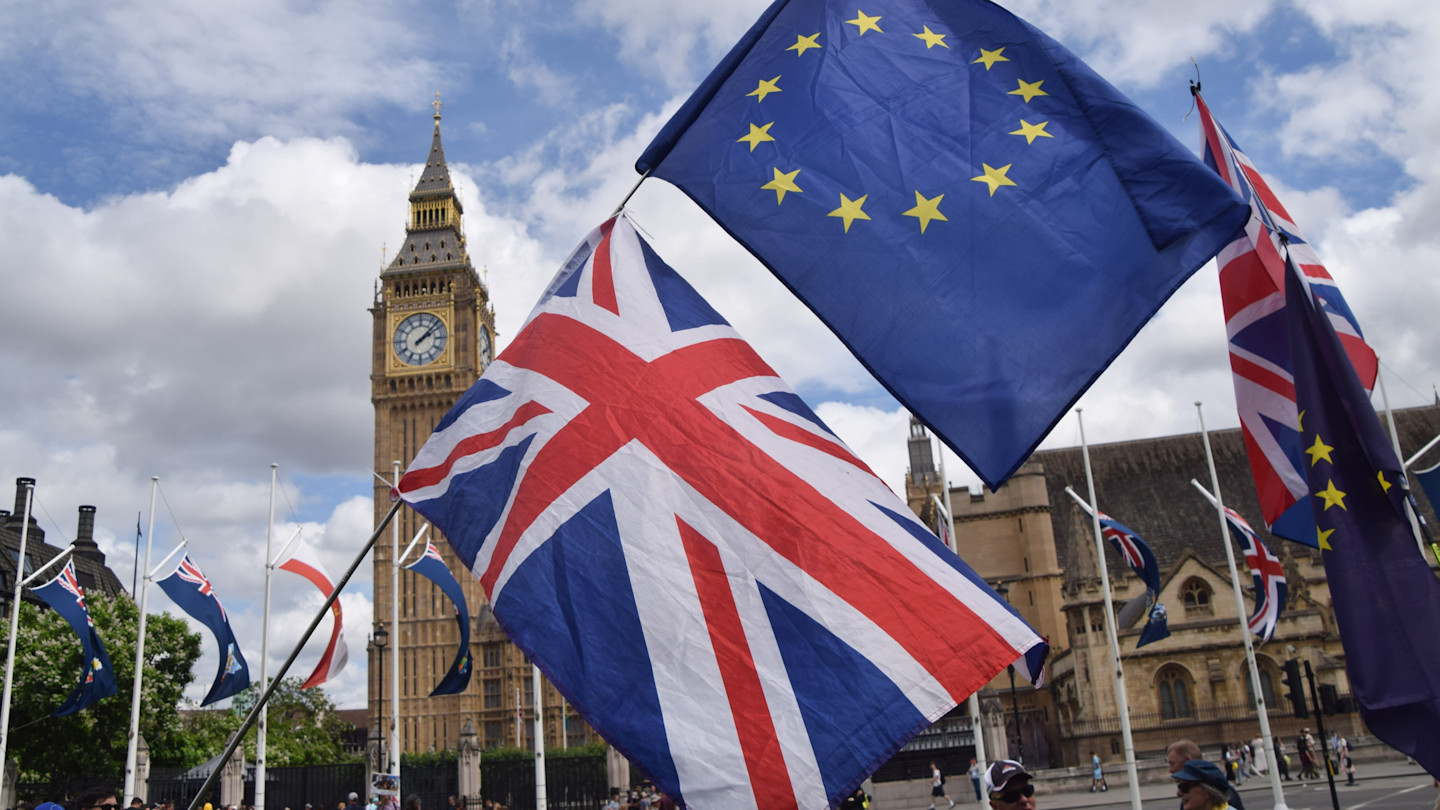
The 2016 Brexit vote was targeted by Russian “state-sponsored interference”, Andy Burnham has said, as he warned voters in France and Germany about Kremlin-backed attempts to influence their countries’ politics.
The UK prime minister, who has criticised Britain’s decision to leave the EU more vocally in recent months, said politicians had woken up only slowly to the extent of foreign powers meddling in the democratic process.
“I asked the question coming to Downing Street: ‘Was there interference in the 2016 referendum from Russia?’ And I’ve had the clear answer that yes, there was,” he said in an interview with The Rest Is Politics podcast.
Voters in European democracies needed to be better informed about efforts from overseas to disrupt the political process, Burnham said in the interview, which was released on Sunday.
“I mean, these things are important now to put clearly on the record and, I believe, help voters in Germany and France understand that some of this politics is instigated via our enemies, namely Russia,” he said.
Embedded YouTube video
To show this video, YouTube may use cookies and collect data. You can read YouTube's cookie and privacy policies before continuing.
Manage CookiesOrganisations including the Oxford Internet Institute have identified thousands of Russia-linked social media accounts that posted divisive anti-EU and anti-migrant messages in the run-up to the Brexit vote 10 years ago.
A 2020 report by the UK parliament’s cross-party intelligence and security committee criticised the government for failing to carry out a full assessment of any Russian attempts at interference in the referendum, in which 52 per cent of the electorate voted to leave the bloc.
This was “in stark contrast” to allegations of Russian interference in the 2016 US presidential election, “where an intelligence community assessment was produced within two months of the vote”, the report noted.
At last month’s Labour Party conference, Burnham said the current Brexit settlement was damaging the UK economy and promised a national debate about “options” for future relations ahead of a major UK-EU summit due to take place in November.
“Brexit has done more harm than good,” he told the event in Liverpool.
Speaking on the podcast, hosted by ex-Conservative minister Rory Stewart and former Labour press secretary Alastair Campbell, Burnham said Nigel Farage, Britain’s most prominent Brexiter, had given the country “a decade of division and drift”.
At the upcoming UK-EU summit he would argue for “closer integration” and greater collaboration on immigration, the prime minister added, noting that the “rupture in our [British] politics” after Brexit was visible today in other European countries.
“Given what’s happening in Germany and France, I think it’s really important for the UK to step to the fore and say, ‘Well, look, we went through this a decade ago when we saw this rupture in our politics and we’ve now got a decade of experience’,” he said.
While the internet was awash with anti-UK “propaganda” criticising London, the country’s “fundamentals” remained sound, Burnham added.
In a wide-ranging interview, Burnham said the previous Labour administration under Sir Keir Starmer had been “too negative” and “too factional”, but insisted he had never allowed his relationship with his predecessor to “disintegrate”.
After criticism of his stance on the row between the Premier League and Abu Dhabi-owned Manchester City, Burnham said he would publish details of his meetings relating to investment by the United Arab Emirates in Manchester.
Burnham was mayor of Greater Manchester between May 2017 and June this year.
Asked about the possibility of a public execution in the US, Burnham said the prospect was “abhorrent” and that he did not want to see it anywhere.
Britain would fulfil its Nato defence commitments at the spending review next year, he added, arguing that the government was not facing a binary choice between funding social security or national security.