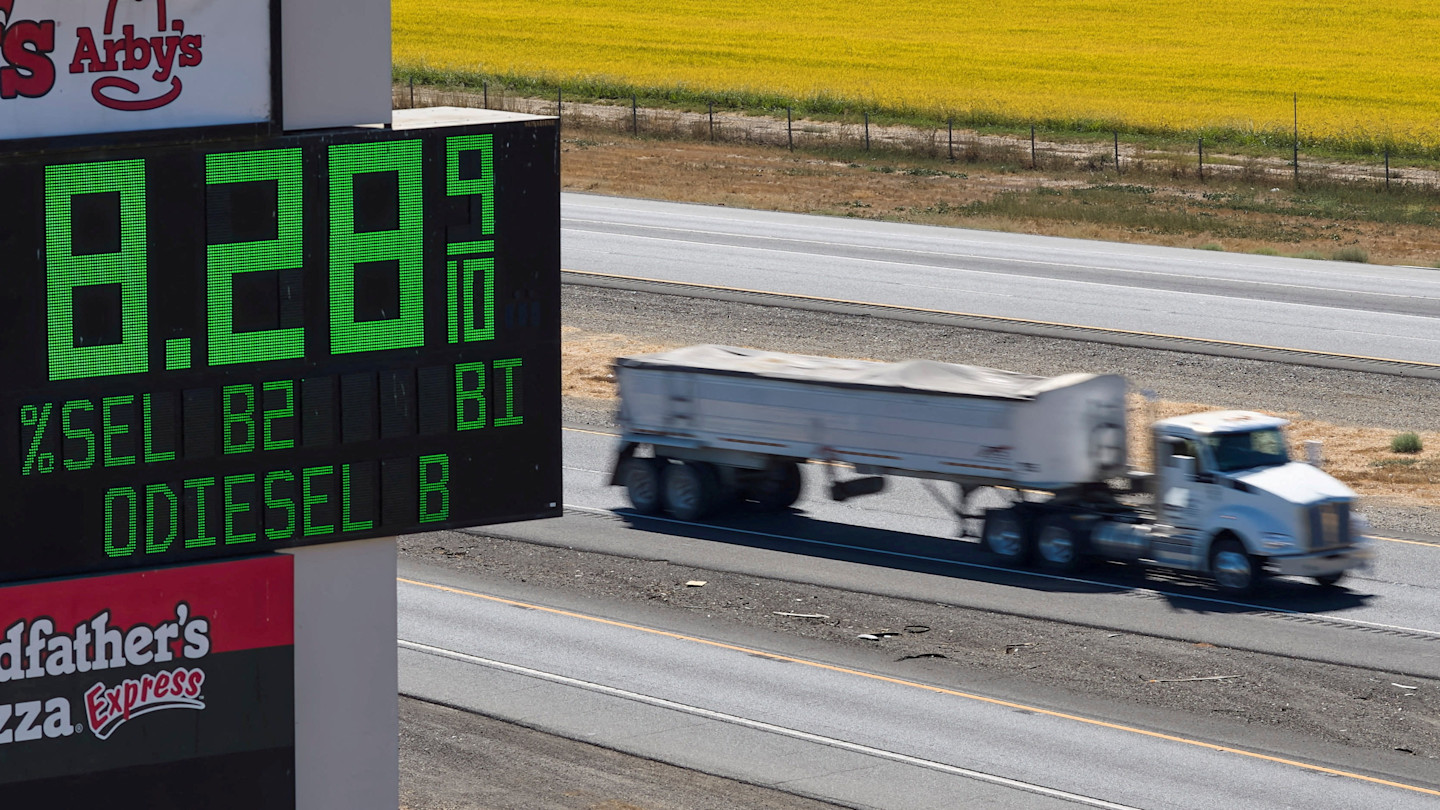
Donald Trump’s deal with Moscow to release Russian diesel to global markets is unlikely to offer meaningful relief to buyers of the fuel in the US or elsewhere in the world, according to analysts.
Russia has pledged to deliver 300,000 tonnes of the fuel immediately, 500,000 tonnes in November and a further 1mn tonnes in December.
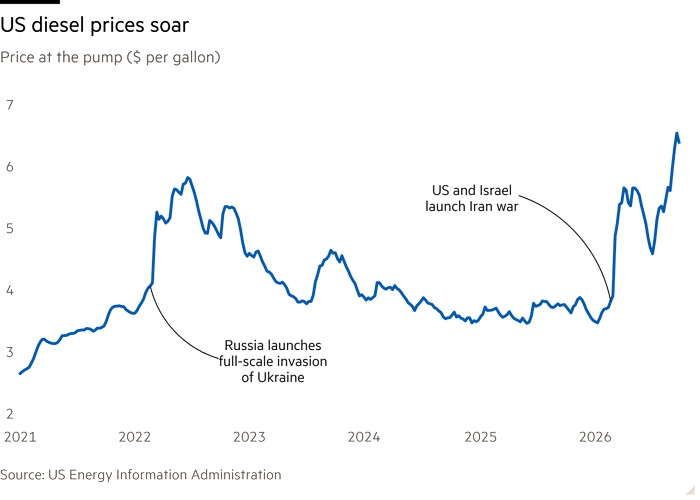
Global diesel supplies have been squeezed as output from refineries in Russia and the Middle East has been stymied by conflict this year, and prices at the pump have soared. The world’s buyers are desperate for new sources of supply.
But the deal struck by Trump on Friday was immediately criticised by Ukraine’s President Volodymyr Zelenskyy as a “weak decision” that would embolden Vladimir Putin — and there are doubts about whether Russia can alleviate the crunch.
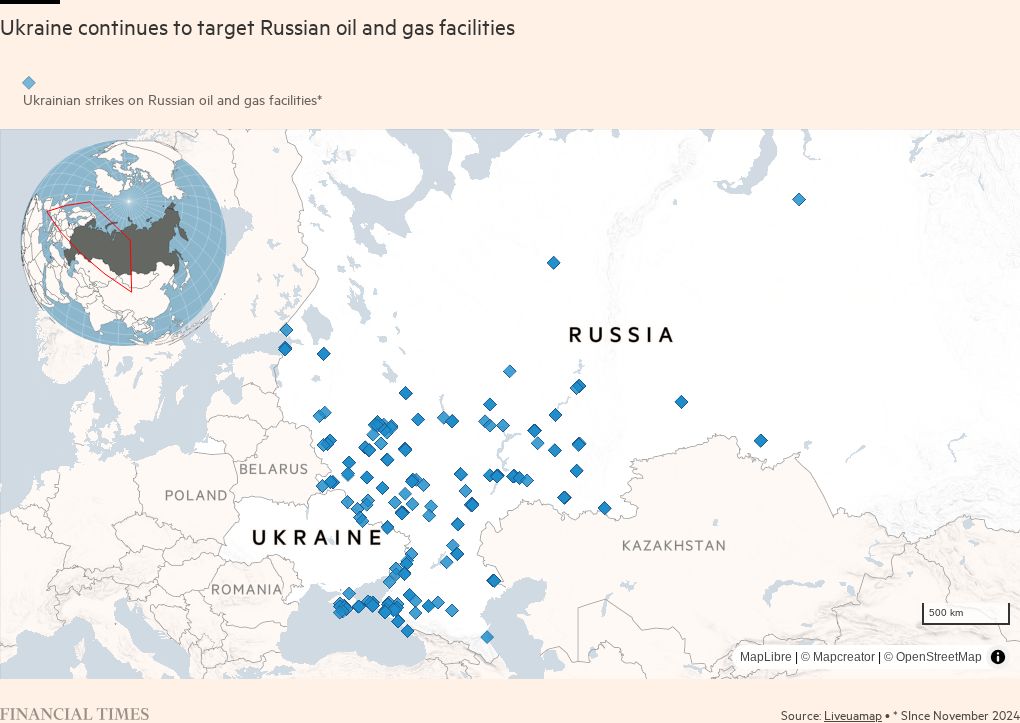
Ukraine’s intensified strikes have knocked out as much as 45 per cent of Russia’s refining capacity, according to some estimates, triggering the worst petrol shortages since the collapse of the Soviet Union and forcing Moscow to import fuel, including from India.
Still, Russia has not suffered significant diesel shortages, and the amounts pledged for the first two months were “relatively small” for Russia, according to Vladimir Nikitin, a Seala AI crude analyst.
Most Russian cars run on petrol, which the country produces in quantities roughly matching domestic demand. Diesel, mainly used by lorries and heavy machinery, has consistently been in surplus.
Sergey Vakulenko, former head of strategy at Gazprom Neft and now a fellow at the Carnegie Russia Eurasia Center in Berlin, said Russian refineries were currently producing roughly 5.8mn tonnes of diesel a month, with between 1.2mn and 2mn tonnes a month likely to be available for export.
Russia produces summer- and winter-grade diesel, suitable for temperatures above minus 5C and as low as minus 35C respectively. As the country switches to winter fuel after the harvest campaign in the autumn, remaining summer-grade stocks have little domestic use until spring.
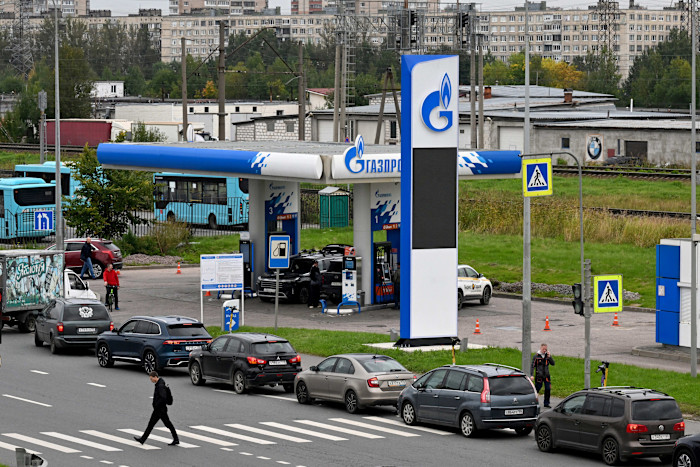
Despite stable supplies, Russia banned diesel exports by traders a year ago, extending the restrictions to producers in summer 2026. Rail shipments to neighbouring countries under intergovernmental agreements remained exempt, with Mongolia remaining the main buyer.
“The restrictions were not necessarily imposed because the country was facing an outright diesel shortage, but rather to prevent potential domestic shortages amid refinery disruptions and elevated seasonal demand,” said Sumit Ritolia, lead analyst at Kpler.
Carnegie’s Vakulenko suggested that the export ban, in place for producers since July, had in practice operated more like a quota system, with some companies informally allowed to ship diesel under different customs codes.
Yet even if Russia exported half a million tonnes of diesel next month, it would only be supplying less than 4 per cent of global demand for the fuel, and on Sunday the head of the International Energy Agency called on its members to release more diesel from their strategic reserves.
Countries that had yet to complete the releases they committed to in March needed to expedite their efforts and members should consider whether more was needed, IEA executive director Fatih Birol said.
The bigger question for Russian supply will be the 3mn tonnes that Trump said on Friday would be supplied over an unspecified timeframe “based on the condition” of refineries.
That will only be possible once refinery maintenance is complete and output returns to normal, analysts said, since the figure is close to Russia’s historical monthly export volumes.
In the years before 2025, Russia exported an average of 2.6mn tonnes of diesel a month by sea, according to Kpler, with Turkey and Brazil accounting for more than half of shipments.
“If strikes continue at the current pace, exporting such volumes without hurting the domestic market would become impossible,” Seala’s Nikitin said.
While the Russian volumes are unlikely to have a significant effect on global diesel shortages, they will also provide limited benefit to Russia’s war effort — despite criticism from Ukraine over the US deal.
If Russia shipped 3mn tonnes a month, exporters would earn about $1.2bn more over six months than if existing restrictions remained in place, according to Alexander Kolyandr, Europe director at political risk consultancy Eurasia Group.
He estimated that this would generate just $100mn in additional earnings for the federal budget, which finances the war.
“Ukraine’s irritation is entirely understandable. But this will not provide a significant financial boost to Russia’s war effort,” Kolyandr added.