This article is an on-site version of our FirstFT newsletter. Subscribers can sign up to our Asia, Europe/Africa or Americas edition to get the newsletter delivered every weekday morning. Explore all of our newsletters here
Good morning and welcome to FirstFT. In today’s newsletter:
Brussels weighs sweeping tax on large companies
UK tax authorities probed Manchester City in 2018
Ship captains paid $100,000 a month to transit through Strait of Hormuz
The economic cost of Russian hostile activity in the UK
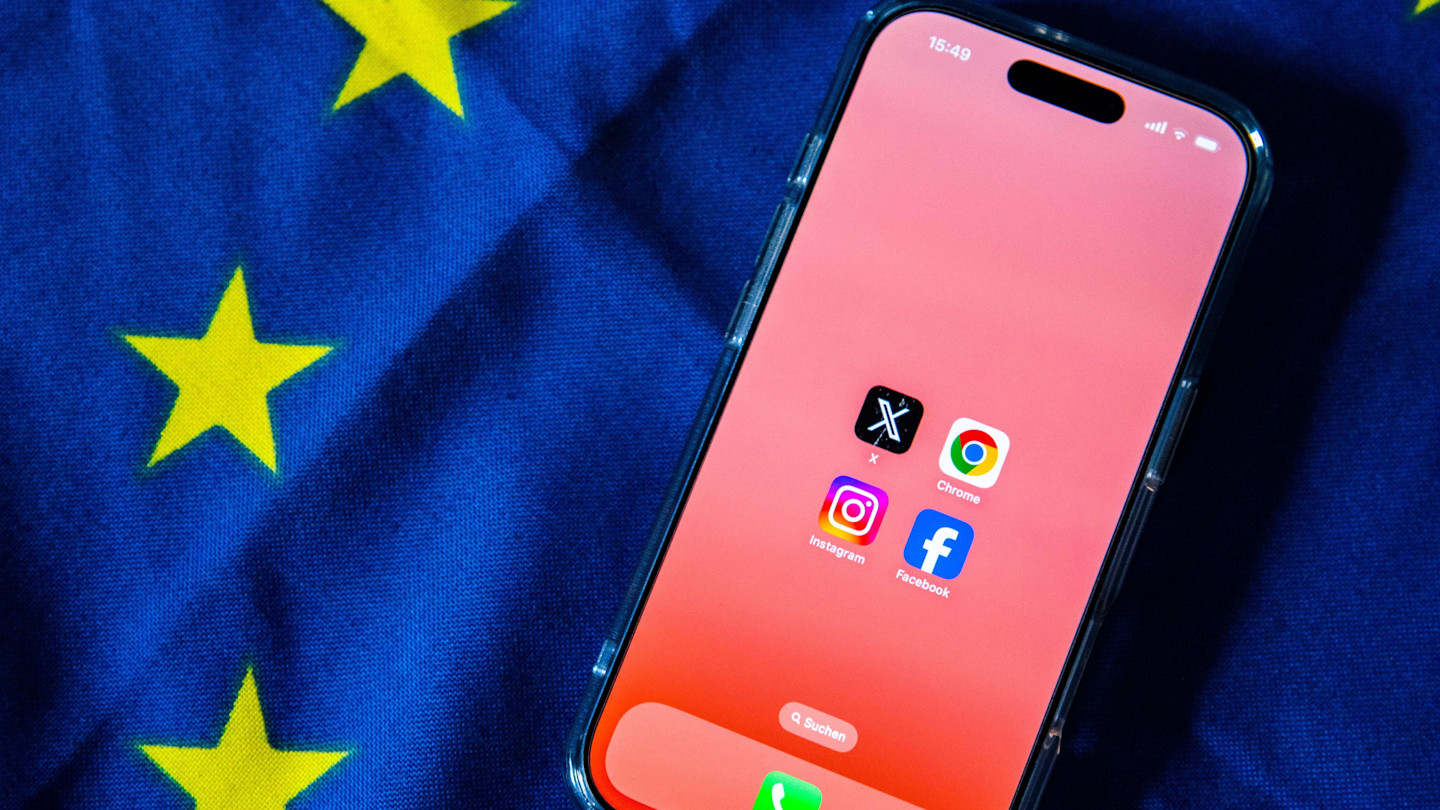
Brussels is considering taxing large US tech groups through a broad levy on large corporations in an effort to raise revenues for the EU while avoiding a backlash from Donald Trump’s administration.
The European Commission was working on ways to gain more income from groups such as Apple, Meta and Google without singling them out, six officials with knowledge of the discussions told the FT, after Washington threatened retaliation against countries that implement digital services levies.
Brussels was considering changes to an existing proposal that would require all companies operating in the EU with revenue of more than €100mn a year to pay an annual lump sum tax contribution, the officials said. Read the exclusive story·.
More in tech: SpaceX is seeking to raise $40bn in a financing effort led by Apollo Global Management to buy Nvidia chips as Elon Musk’s AI and rocket group amplifies its bet· on the chipmaker’s advanced technology.
Here’s what else we’re keeping tabs on today:
MED9 summit: Southern European leaders including French President Emmanuel Macron gather in Split to discuss energy, security, the environment, migration and other issues.
Economic data: France reports on September foreign exchange reserves. The US releases the minutes of last month’s rate-setting meeting.
Results: Shell, Netcall and Avon Technologies report earnings while Porsche holds an investor day.
Nobel Prize: The award for chemistry is announced.
What is driving the global bond sell-off? Alphaville editor Robin Wigglesworth and senior markets correspondent Ian Smith will answer reader questions in a live Q&A on October 8 at 8am ET. Submit a question here.
Five more top stories
1. Exclusive: UK tax authorities probed Manchester City in 2018 over whether it used complex arrangements to underpay tax·, years before the football club was found to have breached Premier League financial rules.
2. Russian hostile activity costs Britain at least £2bn-£2.5bn annually, according to a report by the vice-chair of the all-party parliamentary group on rearmament. Labour MP Graeme Downie’s research· suggested that the true figure was likely to be “vastly higher” because the UK lacks a consistent framework for measuring the economic impact of such activity.
White-collar crime: Tens of thousands of active UK companies may have fraudulent directors, illustrating the potential scale of abuse of Britain’s corporate register.
Pneumonic plague: Trump said he was scheduled to speak to Russian President Vladimir Putin about the suspected case in Siberia “very soon”, as Washington has urged Moscow to share more about the incident·.
3. Oil tanker captains in the Gulf are being paid rates equivalent to $100,000 a month for travelling through the Strait of Hormuz, along with a $50,000 bonus for each trip, as Iran steps up its assaults on vessels. Shipowners were offering the bumper “danger money”· to persuade seafarers to stay on vessels as Gulf countries try to keep crude flowing through the waterway.
Saudi Aramco: The state-owned group weighs exports and ways to raise finance as it assesses how to use gas from its $100bn Jafurah project·.
4. Exclusive: HSBC is planning sweeping job cuts in its UK wealth management business as part of a push to use AI to help serve clients. People familiar with the plans said about half the management and specialist roles are expected to go·, while the reduction in the ranks of financial advisers will be closer to 70 per cent.
5. African governments will launch a credit-rating agency amid concerns that Wall Street agencies do not always understand the region. Tomorrow’s rollout of the Africa Credit Rating Agency· follows a decade of lobbying by governments and policymakers who say the dominance of the “big three” — Moody’s, S&P Global and Fitch Ratings — has led to an unjustified “Africa premium” costing the continent billions in excess interest payments.
The FT’s stock picking game returns this week. FT subscribers can register for season two by going to stockpickinggame.ft.com and compete for the £1,000 prize.
What comes next with the energy shock?
The Iran war is now in its eighth month, with no end in sight, yet the disruption to oil supply and prices as well as the world economy has been surprisingly manageable. But that cannot be taken for granted, writes Martin Wolf·.
We’re also reading . . .
German spy agency crisis: Berlin had been making a push to return the BND to the top table of international intelligence, but the revelations about August Hanning threaten to call that into doubt·.
Tribology: The science of how surfaces move against each other plays a central role in making industry run more smoothly·, writes Anjana Ahuja.
Norman Foster: The celebrated architect structured his practice in unusual ways to promote creativity·, writes John Gapper.
Luxury EVs: Jaguar is entering the electric vehicle market with a £130,000 model· that “stands out” for its bold design and size.
Chart of the day
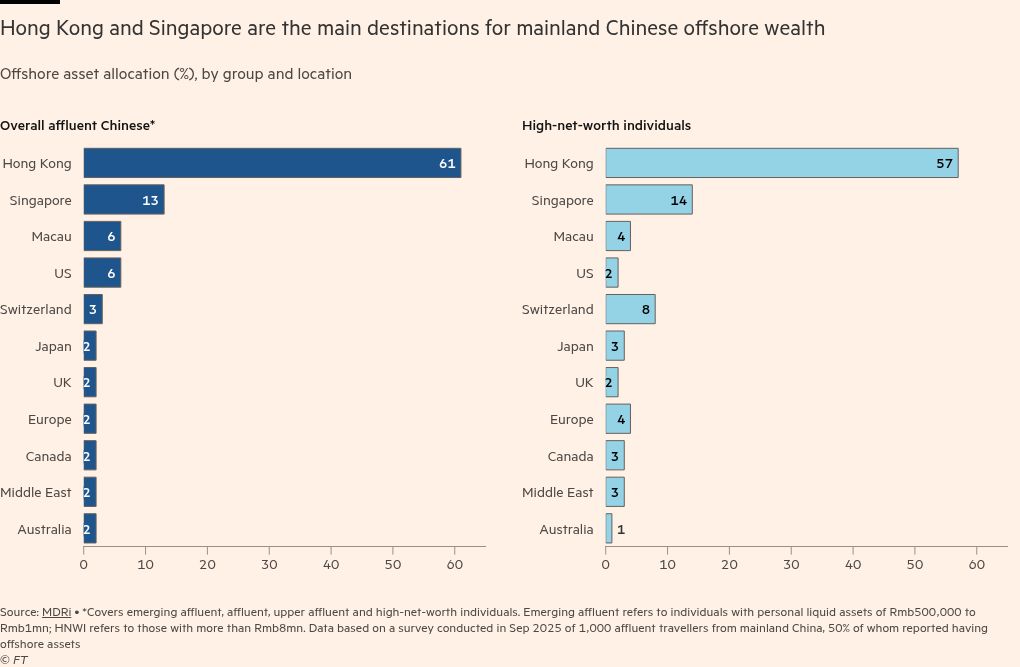
Beijing is embarking on what could be the most ambitious global tax hunt in history as it pushes for those who benefited the most from China’s economic ascent to increase their contributions to the state. From October 22, authorities will begin collecting a 20 per cent tax on dividends and interest earned from offshore trusts, targeting wealthy Chinese who shelter their assets overseas·.
Take a break from the news . . .
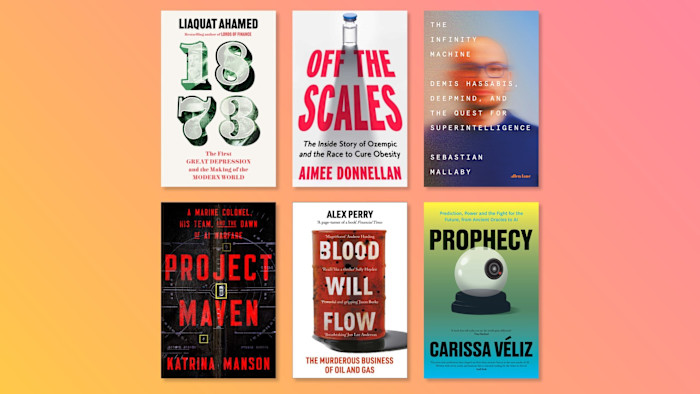
Contenders for this year’s FT and Standard Chartered Business Book of the Year Award include titles on weight-loss drugs, forecasting and energy exploration, but the profound disruptive challenges posed by AI dominate the shortlist. Here are the six finalists·.
You can also listen to today’s top news stories in the FT News Briefing podcast.
Thank you for reading and remember you can add FirstFT to myFT. You can also elect to receive a FirstFT push notification every morning on the app. Send your recommendations and feedback to [email protected]
Recommended newsletters for you
The State of AI — A series of conversations between the FT and MIT Technology Review on the geopolitics of tech. Sign up here