This article is an on-site version of our FirstFT newsletter. Subscribers can sign up to our Asia, Europe/Africa or Americas edition to get the newsletter delivered every weekday morning. Explore all of our newsletters here
Good morning. The 2026 Nobel Prize for economics has been awarded to Robert E Hall and Michael Woodford for their work on macroeconomic stabilisation policy, the Royal Swedish Academy of Sciences has announced. The FT’s financial blog Alphaville is following all the reaction·. Here’s what else we’re covering today:
Diesel prices slip after Trump announces “energy ceasefire”
Wall Street banks brace for their worst quarterly results this year
Executive MBA 2026 rankings
Pink Snow special report
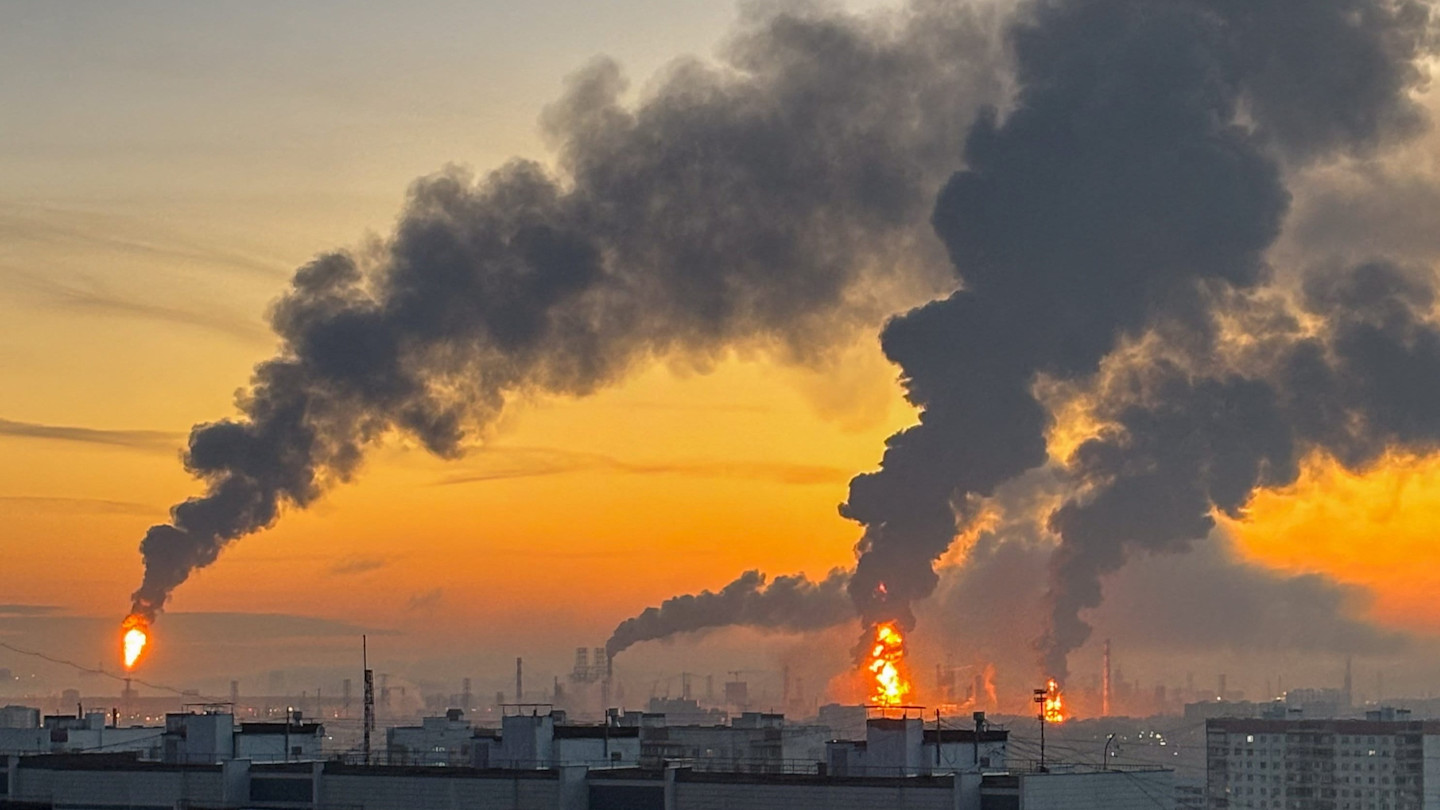
Diesel prices fell today after Donald Trump claimed that Russia and Ukraine had entered an “energy ceasefire” and pressed Kyiv to end its strikes on Russian energy infrastructure.
European diesel prices fell 3 per cent to about $1,437 a tonne· while US heating oil futures, the country’s benchmark for diesel prices, extended losses to about $4.60 a gallon.
High oil and diesel prices are hitting the popularity of the US president and his Republican Party ahead of midterm elections in early November.
On Friday, Trump announced he had struck a diesel supply deal with Russian President Vladimir Putin, angering members of his own party. The announcement blindsided Ukrainian negotiators who had just finished eight hours of talks in Miami with Trump’s envoys Steve Witkoff and Jared Kushner.
Trump then increased pressure on Ukrainian President Volodymyr Zelenskyy and his government, threatening to halt intelligence sharing and Purl· — the Prioritised Ukraine Requirements List mechanism for procuring US weapons for Kyiv. The US president also suggested Ukraine “get a new leader who can make a deal” in comments to the press on Saturday.
It was not immediately clear if Russia had agreed to the ceasefire announced by Trump, but Zelenskyy highlighted an attack by Russian forces· on a power plant in Kharkiv yesterday evening.
Here’s what else we’re keeping tabs on today:
Fed speakers: Federal Reserve Bank of Cleveland president Beth Hammack speaks at the National Association for Business Economics annual meeting in Cleveland, Ohio.
Ethiopia: Addis Ababa hosts the 65th session of the Intergovernmental Panel on Climate Change, running until Friday.
France: The week-long Paris Motor Show begins.
Columbus Day: US federal government offices will be closed in the US for the national holiday while Canadians celebrate Thanksgiving.
Who’s doing better in their trade battles with China — the EU or the US? Senior trade writer Alan Beattie and economics columnist Soumaya Keynes will answer reader questions in a live Q&A on October 15 at 1pm BST. Submit a question here.
Five more top stories
1. Saudi Arabia’s energy minister struck a defiant tone as he opened a major energy conference· in Riyadh, hours after missiles struck the city’s main airport for the fourth time in a week. A wave of strikes by Iranian-backed Houthi militants on Riyadh’s airport in the days leading up to the event made it impossible for many international executives to attend·.
More Middle East news: The US military struck a commercial ship· in the Gulf of Oman it said had tried to pierce its naval blockade of Iranian ports, in its first attack in more than a month near the Islamic republic.
2. Brussels and Beijing have agreed a quota on Chinese hybrid car imports as part of an “understanding” achieved by the two sides that averted a full-scale trade conflict. If member states agree, the EU would deploy a “safeguard”· which would mean China could only export a limited number of vehicles before steep new supplementary tariffs kicked in.
Volkswagen plea: The carmaker’s chief executive has called for greater French and German co-operation· to strengthen European competitiveness, saying it was not too late to respond to the threat posed by Chinese rivals.
3. Private equity group CVC sought to keep quiet an investment in an Israeli defence company because of concerns it would attract controversy·, only disclosing the deal to fund investors rather than announcing it publicly. The Dutch-listed firm has agreed to buy a 40 per cent stake in camouflage maker Fibrotex from the company’s founding Blum family for about €250mn.
4. Nvidia is in talks to acquire or deepen its investment in US start-up Reflection AI, a developer of open-weight models that the Trump administration hopes will rival cheap Chinese alternatives, people with direct knowledge of the matter said.
Lunch with the FT: Computer scientist David Silver sits down with the FT’s AI editor Madhumita Murgia to talk about his new start-up Ineffable Intelligence.
5. Germany’s Social Democratic labour minister abruptly resigned on Monday, triggering a government reshuffle just as Chancellor Friedrich Merz’s coalition struggles to agree· on contentious pensions and labour market reforms. Bärbel Bas cited the recent death of her stepdaughter and “intensifying” personal attacks, including from Merz’s Christian Democrats.
Trump battles for the Senate
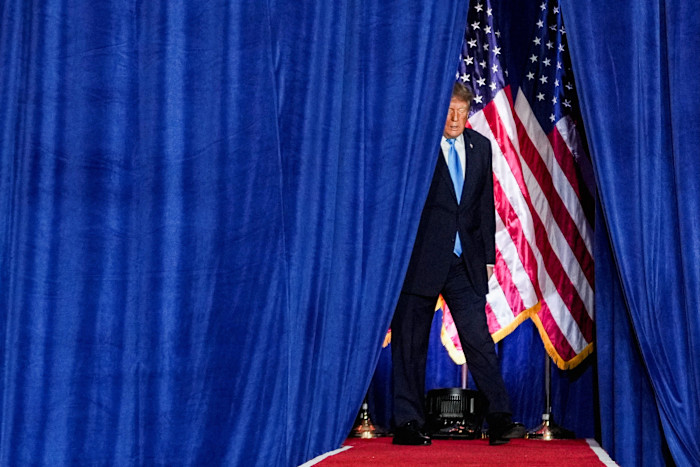
A decade after Trump exploded on to the US political scene, voters in Republican heartlands are now expressing disappointment with the president. Unexpectedly close races in deeply conservative parts of the country, such as rural Iowa, are turning the battle for the Senate into a political brawl that could tip either way·.
We’re also reading . . .
US tax: Increasing US corporate tax· raises government revenues without harming the tax base, argues UCLA School of Law professor Kimberly Clausing.
What if AI prefers CVs written by AI? One law firm’s experience is revealing, writes Pilita Clark.
Executive MBAs: Earnings for graduates of the world’s top EMBA programmes have surpassed 2021 pandemic-era levels for the first time.
Chart of the day
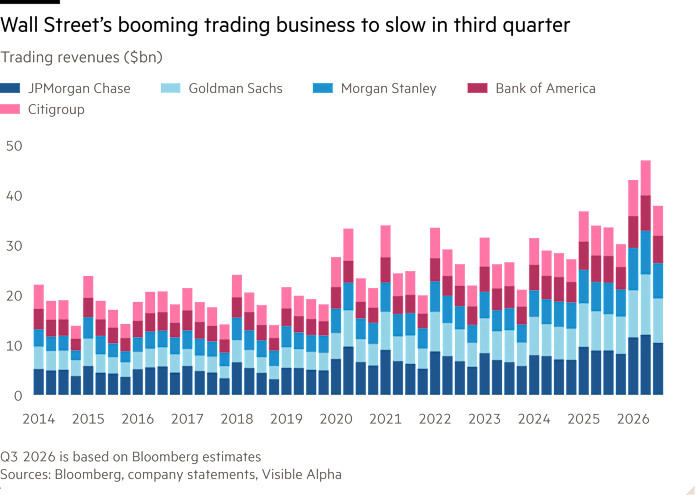
Wall Street banks are set to report their worst trading results of the year next week, raising concerns that a record-breaking streak for the business is coming to an end·. Since 2020, trading has returned to favour after a period of lacklustre returns for banks in the 2010s, but a slowdown in fixed income, currencies and commodities trading is likely to lead to a slowdown, say bankers.
Take a break from the news . . .
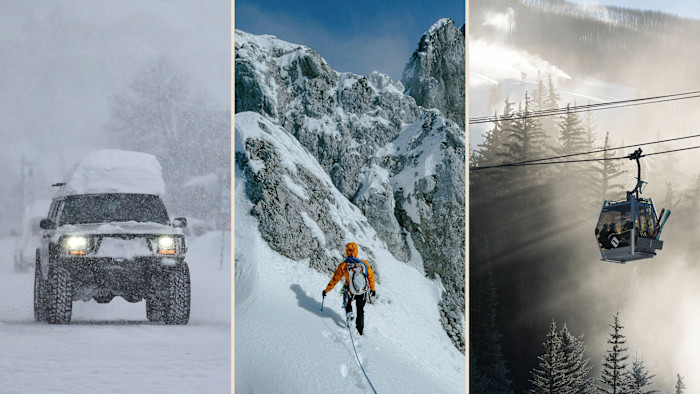
Will El Niño lead to a “Godzilla” ski season? Tom Robbins and Patrick Temple-West ponder this frivolous question in the 2026 edition of Pink Snow from HTSI. The special report also explores where pro skiers are going to avoid the crowds and highlights the cool kit to buy this winter.
You can also listen to today’s top news stories in the FT News Briefing podcast·.
Thank you for reading and remember you can add FirstFT to myFT. You can also elect to receive a FirstFT push notification every morning on the app. Send your recommendations and feedback to [email protected]
Recommended newsletters for you
The State of AI — A series of conversations between the FT and MIT Technology Review on the geopolitics of tech. Sign up here